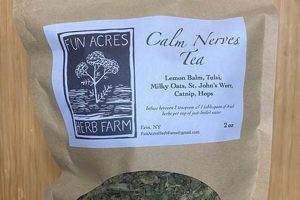
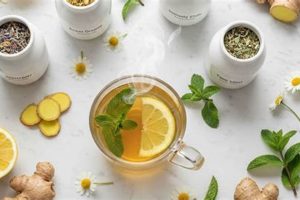
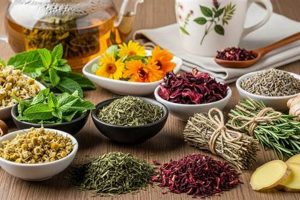
Infusions derived from various plants, excluding Camellia sinensis (true tea), offer a spectrum of potential therapeutic applications. These beverages, prepared by steeping herbs, flowers, roots, and other plant materials in hot water, present a caffeine-free alternative to traditional teas and coffees, with each botanical source imparting unique properties. Chamomile infusions, for example, are commonly associated with promoting relaxation, while peppermint preparations are often utilized to soothe digestive discomfort.
The use of plant-based infusions for health maintenance and restorative purposes has a long and documented history across numerous cultures. Traditional medicine systems, such as Ayurveda and Traditional Chinese Medicine, have long incorporated these preparations into their practices. Contemporary research suggests that certain compounds present in these botanicals possess antioxidant, anti-inflammatory, and other beneficial properties, contributing to their perceived efficacy. These attributes may support overall well-being and complement conventional healthcare approaches.
The following sections will delve into specific botanical infusions, examining their purported health benefits, traditional uses, and any available scientific evidence supporting their application. Considerations regarding potential contraindications and appropriate preparation methods will also be addressed, providing a comprehensive overview of this increasingly popular area of botanical medicine.
Guidance on Utilizing Botanical Infusions for Wellness
The following guidelines offer practical advice for those seeking to incorporate plant-derived infusions into their wellness routine. Adherence to these recommendations may enhance the potential benefits while mitigating risks associated with improper use.
Tip 1: Botanical Identification and Sourcing: Prioritize infusions sourced from reputable suppliers known for quality control and accurate botanical identification. Misidentification of plant species can lead to unintended and potentially adverse effects.
Tip 2: Understand Potential Interactions: Individuals taking prescription medications should consult a healthcare professional before regularly consuming botanical infusions. Certain plant compounds can interact with pharmaceuticals, altering their efficacy or increasing the risk of side effects.
Tip 3: Preparation Method Matters: Adhere to recommended steeping times and water temperatures. Over-steeping can result in a bitter taste and the release of unwanted compounds. Insufficient steeping may fail to extract the full range of beneficial constituents.
Tip 4: Observe for Allergic Reactions: Introduce new botanical infusions gradually, monitoring for signs of allergic reactions, such as skin rashes, itching, or respiratory distress. Discontinue use immediately if adverse symptoms arise.
Tip 5: Moderation is Key: While botanical infusions are generally considered safe, excessive consumption can lead to unwanted effects. Limit intake to a reasonable amount, typically no more than a few cups per day.
Tip 6: Consider Underlying Health Conditions: Individuals with pre-existing health conditions, such as kidney or liver disorders, should exercise caution when using botanical infusions. Certain plants may exacerbate these conditions.
Tip 7: Storage Considerations: Store dried herbs and prepared infusions in airtight containers away from direct sunlight and moisture to preserve their potency and prevent spoilage.
Proper utilization of botanical infusions requires informed decision-making and a cautious approach. By adhering to these guidelines, individuals can potentially maximize the benefits while minimizing the risks associated with their use.
The subsequent sections will explore specific examples of botanical infusions and their traditional applications, providing further insights into this complex and evolving field.
1. Botanical Identification

Botanical identification forms the bedrock of safe and effective application of infusions for therapeutic purposes. Accurate identification ensures that the plant material used in the infusion aligns with the intended medicinal properties. Misidentification can lead to the use of plants with either no therapeutic effect or, more seriously, to the ingestion of toxic or harmful substances. The impact of this can range from a lack of desired health benefit to severe adverse reactions, including organ damage or even death. For example, mistaking foxglove ( Digitalis purpurea), a highly toxic plant, for comfrey ( Symphytum officinale), traditionally used for wound healing (though now with safety concerns), could have grave consequences. Therefore, expertise in botanical classification and careful sourcing from trusted suppliers are indispensable for safeguarding health.
Furthermore, botanical identification extends beyond simply recognizing the correct species. It includes verifying the specific plant part used (e.g., root, leaf, flower) and confirming its purity. Adulteration, where cheaper or less effective plants are mixed in with the desired botanical, can compromise the therapeutic value. Similarly, contamination with other plants or environmental toxins can render an otherwise safe preparation hazardous. Microscopic examination, chemical analysis, and DNA barcoding are some of the techniques used to verify the authenticity and purity of botanical ingredients. These processes are crucial in the commercial production of herbal teas intended for well-being.
In summary, the integrity of using botanical infusions for wellness is entirely dependent on rigorous botanical identification practices. This encompasses not only the initial recognition of the correct plant species but also ongoing verification of purity and absence of contaminants. This foundational step is essential to ensure safety, efficacy, and the responsible use of these natural products. The benefits associated with these teas are unattainable without prioritising accurate botanical identification.
2. Preparation Methods

Preparation methods significantly influence the efficacy and safety of botanical infusions. The process of extracting active compounds from plant materials involves a complex interplay of factors, each requiring meticulous attention to detail. Deviations from recommended preparation protocols can alter the chemical composition of the final product, impacting both its therapeutic potential and potential risks.
- Water Temperature and Compound Extraction
Water temperature is a critical determinant of which compounds are extracted from the plant material. Excessive heat can degrade delicate volatile oils or denature certain enzymes, reducing their therapeutic benefit. Conversely, insufficient heat may fail to effectively extract beneficial compounds, rendering the infusion less potent. For example, infusions containing volatile oils, such as chamomile or lavender, benefit from lower water temperatures (around 80C) to preserve their aromatic and therapeutic properties. In contrast, tougher plant materials, like roots or bark, may require boiling temperatures to effectively release their constituents.
- Steeping Time and Chemical Composition
The duration of steeping, or the time the plant material is immersed in hot water, directly affects the chemical composition of the infusion. Shorter steeping times yield lighter infusions with a different profile of active compounds compared to longer steeping times. Prolonged steeping can lead to the extraction of undesirable compounds, such as tannins, which can impart a bitter taste and potentially interfere with the absorption of other beneficial compounds. The recommended steeping time varies depending on the plant species and the intended use of the infusion. For example, green tea, though Camellia sinensis rather than a botanical infusion, typically requires a shorter steeping time (2-3 minutes) to prevent the release of excessive tannins, while root-based infusions often benefit from longer steeping (10-15 minutes) to maximize extraction.
- Water Quality and Solvent Properties
The quality of the water used in the preparation process plays a crucial role in the extraction of active compounds. Hard water, containing high mineral content, can interfere with the solubility of certain plant constituents, reducing their extraction. Conversely, soft water may be more effective at extracting certain compounds but can also leach undesirable substances from the plant material. Ideally, purified or filtered water should be used to prepare botanical infusions to ensure consistent results and minimize the risk of contamination. The pH of the water can also influence extraction, though this is often less of a concern in typical home brewing.
- Plant Material Preparation and Surface Area
The physical preparation of the plant material, such as crushing, grinding, or chopping, directly impacts the surface area available for extraction. Increasing the surface area allows for a more efficient release of active compounds into the water. Finely ground plant material will generally yield a more potent infusion compared to whole leaves or roots. However, excessively fine grinding can also lead to the release of more particulate matter into the infusion, potentially affecting its taste and clarity. Therefore, the optimal preparation method depends on the specific plant species and the desired characteristics of the final infusion.
The nuances of preparation are inextricably linked to the therapeutic outcome of botanical infusions. By carefully considering these factors, individuals can optimize the extraction of beneficial compounds, enhance the efficacy of the infusion, and minimize potential risks. These considerations are vital for using botanical infusions to support health.
3. Dosage Considerations
Dosage considerations represent a critical element in the safe and effective application of botanical infusions for wellness. Unlike conventional pharmaceuticals, where standardized dosages are typically prescribed, botanical infusions present a more complex scenario. The potency of an infusion can vary significantly depending on factors such as the plant species, growing conditions, harvesting practices, and preparation methods. Consequently, determining the appropriate dosage requires careful consideration of these variables and an awareness of individual sensitivities. Inadequate dosage may result in a lack of therapeutic effect, while excessive dosage can lead to adverse reactions. For instance, excessive consumption of senna tea, traditionally used as a laxative, can cause severe abdominal cramping and diarrhea.
The determination of appropriate dosage is further complicated by the limited availability of standardized clinical trials assessing the efficacy and safety of botanical infusions. Traditional use often serves as a guide, but historical practices may not always align with contemporary understanding of pharmacokinetics and pharmacodynamics. It is imperative to begin with low doses and gradually increase the amount consumed while carefully monitoring for any adverse effects. Factors such as age, weight, health status, and concurrent medication use can all influence individual responses to botanical infusions. Individuals with pre-existing medical conditions or those taking prescription medications should consult with a healthcare professional before incorporating these teas into their routine. Consider the example of St. John’s Wort, often steeped as a tea. Its interaction with various medications, particularly antidepressants, is a well-documented concern, highlighting the necessity of professional guidance.
In summary, responsible use of botanical infusions for health necessitates a cautious approach to dosage. The absence of standardized dosing guidelines underscores the importance of individualized assessment and careful monitoring. Starting with low doses, gradual titration, and professional consultation are crucial steps in mitigating potential risks and optimizing therapeutic benefits. The inherent variability in botanical composition and individual responses dictates a personalized approach, ensuring that the potential advantages of botanical infusions are realized without compromising safety.
4. Potential Interactions

The intersection of botanical infusions and conventional pharmaceuticals constitutes a significant area of concern. Plant-derived compounds can interact with prescription and over-the-counter medications through various mechanisms, altering drug absorption, metabolism, distribution, and elimination. These interactions can lead to either a decrease in drug efficacy, potentially jeopardizing treatment outcomes, or an increase in drug toxicity, posing a risk to patient safety. For instance, grapefruit juice is a well-known example of a natural product that can inhibit cytochrome P450 enzymes, a group of enzymes responsible for metabolizing a wide range of medications, leading to elevated drug levels and potential adverse effects. Similar interactions can occur with certain botanical infusions, necessitating careful consideration and awareness.
The mechanisms underlying these potential interactions are complex and varied. Some plant compounds can interfere with drug absorption in the gastrointestinal tract, reducing the amount of medication that reaches systemic circulation. Others can modulate the activity of drug-metabolizing enzymes, either increasing or decreasing the rate at which drugs are broken down and eliminated from the body. Furthermore, certain botanical constituents can interact with drug transporters, proteins responsible for moving drugs across cell membranes, influencing their distribution to target tissues. For example, St. John’s Wort, an infusion sometimes consumed for mood support, is a potent inducer of cytochrome P450 enzymes, potentially accelerating the metabolism of numerous medications, including oral contraceptives, warfarin, and certain antidepressants, thereby reducing their effectiveness.
Understanding potential interactions is paramount for ensuring the safe and effective use of botanical infusions as part of a wellness regimen. Individuals taking prescription medications must consult with a healthcare professional or a qualified herbalist before incorporating botanical infusions into their routine. Careful consideration should be given to the potential for interactions, particularly with medications that have a narrow therapeutic index or are metabolized by cytochrome P450 enzymes. Open communication between patients and healthcare providers is essential to identify potential risks and make informed decisions regarding the use of botanical infusions. Ignoring this aspect could negate therapeutic benefits from pharmaceuticals. The synergistic or antagonistic effects are unknown until potential interactions are considered.
5. Traditional Applications

The longstanding use of botanical infusions across various cultures provides a foundation for understanding their potential therapeutic benefits. Traditional applications offer insight into which plants have historically been employed for specific ailments and provide a context for contemporary research. These practices, passed down through generations, reflect an accumulated body of knowledge regarding the effects of different plants on the human body. The historical use of chamomile infusions for relaxation and sleep promotion, for example, informs current investigations into its anxiolytic and sedative properties. Traditional applications act as a starting point for identifying promising candidates for further scientific study. The success of modern pharmaceuticals derived from traditional remedies underscores the value of examining historical uses.
Consideration of traditional methods of preparation, as well as traditional indications, can influence how botanical infusions are utilized today. Traditional recipes often involve specific techniques, such as decocting roots for extended periods or utilizing particular drying methods, which may affect the chemical composition and bioavailability of active compounds. Similarly, understanding the conditions for which a plant was traditionally employed can guide its use in modern contexts. However, it is crucial to recognize that traditional uses do not necessarily equate to proven efficacy. Many traditional practices lack rigorous scientific validation and may be based on anecdotal evidence or cultural beliefs. Therefore, it is essential to approach traditional applications with a critical eye, integrating them with scientific research and clinical experience.
In conclusion, traditional applications offer a valuable resource for exploring the potential of botanical infusions. However, it is essential to approach this knowledge with a balanced perspective, recognizing the limitations of historical practices and the need for scientific validation. By integrating traditional knowledge with contemporary research, a more comprehensive understanding of the therapeutic potential of botanical infusions can be achieved, optimizing their safe and effective utilization.
6. Quality Control

Quality control is paramount in the context of botanical infusions intended for wellness purposes. The inherent variability in plant composition and the potential for contamination necessitate stringent measures to ensure product safety and efficacy. The following facets outline essential aspects of quality control in the production and distribution of infusions.
- Botanical Authentication
Accurate botanical identification is the cornerstone of quality control. Implementing methods such as macroscopic and microscopic examination, chemical fingerprinting, and DNA barcoding is crucial. This ensures that the correct plant species is used, preventing the incorporation of adulterants or potentially harmful substitutes. For example, mistaking Hypericum perforatum (St. John’s Wort) for a related, but inactive, species would compromise the therapeutic value of the infusion. A rigorous authentication process safeguards consumers from fraudulent or ineffective products.
- Contaminant Testing
Herbal materials can be susceptible to contamination from various sources, including heavy metals, pesticides, microbial pathogens, and mycotoxins. Regular testing for these contaminants is essential to ensure that infusions meet established safety standards. For instance, heavy metals such as lead, cadmium, and arsenic can accumulate in plants from contaminated soil, posing a risk to human health. Rigorous testing protocols and adherence to regulatory limits are critical for mitigating these risks.
- Standardization of Active Compounds
Where feasible, standardization of infusions to specific concentrations of active compounds can enhance product consistency and predictability. This involves quantifying the levels of key constituents known to contribute to the therapeutic effects of the plant. For example, infusions of valerian root ( Valeriana officinalis) may be standardized to contain a specific percentage of valerenic acids, believed to be responsible for its sedative properties. Standardization provides a measure of quality and allows for more informed dosing recommendations.
- Good Manufacturing Practices (GMP)
Adherence to Good Manufacturing Practices (GMP) is essential throughout the production process. GMP guidelines encompass various aspects of manufacturing, including facility hygiene, equipment maintenance, personnel training, and documentation. Implementing GMP principles minimizes the risk of contamination, ensures product consistency, and promotes traceability. Compliance with GMP regulations is a critical indicator of a manufacturer’s commitment to quality and safety.
These facets highlight the multifaceted nature of quality control in the context of botanical infusions. A comprehensive approach encompassing botanical authentication, contaminant testing, standardization, and adherence to GMP is essential for ensuring the safety, efficacy, and consistency of these products. Without stringent quality control measures, the therapeutic potential of infusions cannot be fully realized, and consumer safety may be compromised.
Frequently Asked Questions
The following questions address common inquiries and misconceptions regarding the application of botanical infusions for therapeutic purposes. The information provided is intended to offer clarity and guidance; it does not substitute for professional medical advice.
Question 1: What defines a botanical infusion, and how does it differ from conventional tea?
Botanical infusions, often referred to as tisanes or herbal teas, are beverages prepared by steeping herbs, flowers, roots, or other plant materials in hot water. They differ from conventional teas, which are derived exclusively from the Camellia sinensis plant (e.g., black tea, green tea, white tea, oolong tea). Botanical infusions are typically caffeine-free and offer a diverse range of flavors and potential therapeutic properties depending on the plant species used.
Question 2: Are botanical infusions regulated by governing bodies?
In many regions, botanical infusions are classified as foods or dietary supplements, not as pharmaceuticals. As such, they may be subject to less stringent regulatory oversight compared to prescription medications. However, manufacturers are generally required to adhere to labeling regulations and ensure that their products are safe for consumption. It is prudent to select brands that prioritize quality control and provide transparent information about their sourcing and manufacturing practices.
Question 3: Can botanical infusions replace conventional medical treatments?
Botanical infusions should not be considered replacements for conventional medical treatments. While some botanical infusions may offer complementary benefits, they are not intended to diagnose, treat, cure, or prevent any disease. Individuals with health conditions should consult with a healthcare professional to determine the most appropriate course of treatment.
Question 4: What are the potential risks associated with consuming botanical infusions?
While generally considered safe for most individuals, botanical infusions can pose risks in certain circumstances. Allergic reactions, interactions with medications, and the presence of contaminants are potential concerns. Pregnant or breastfeeding women, individuals with pre-existing medical conditions, and those taking prescription medications should exercise caution and consult with a healthcare professional before consuming botanical infusions. Always source infusions from reputable suppliers and adhere to recommended preparation methods.
Question 5: How should botanical infusions be stored to maintain their quality?
To preserve the potency and freshness of botanical infusions, it is recommended to store them in airtight containers away from direct sunlight, heat, and moisture. Dried herbs should be stored in a cool, dark, and dry place. Properly stored botanical infusions can typically maintain their quality for up to one year.
Question 6: What is the significance of sourcing organic botanical infusions?
Sourcing organic botanical infusions can minimize exposure to pesticides and herbicides commonly used in conventional agriculture. Organic certification ensures that the plants are grown without synthetic chemicals and that sustainable farming practices are employed. While organic certification does not guarantee complete absence of contaminants, it reduces the likelihood of exposure to harmful substances.
In conclusion, while botanical infusions can offer a range of potential health benefits, it is imperative to approach their use with caution and informed awareness. Consulting with a healthcare professional or a qualified herbalist is crucial, particularly for individuals with pre-existing medical conditions or those taking prescription medications.
The following section will examine specific examples of botanical infusions, highlighting their traditional uses and any available scientific evidence supporting their application.
Conclusion
The preceding exploration has elucidated the multifaceted nature of herbal teas for healing. Careful consideration of botanical identification, preparation methods, dosage, potential interactions, traditional applications, and quality control measures is essential for responsible utilization. The information provided underscores the complexity inherent in harnessing botanical properties for therapeutic purposes. Emphasis on informed decision-making is critical for maximizing benefits while mitigating potential risks.
The responsible integration of botanical infusions into wellness practices necessitates continuous learning and critical evaluation. Further research is warranted to fully elucidate the mechanisms of action and potential benefits of various herbal preparations. A commitment to quality and safety, coupled with open communication between individuals and healthcare professionals, will facilitate the appropriate and effective use of these time-honored remedies. Continued vigilance and adherence to best practices are crucial to unlocking the full potential of herbal teas for healing, without compromising well-being.