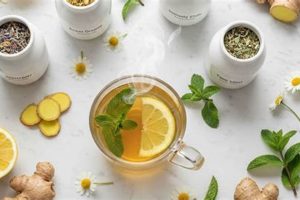
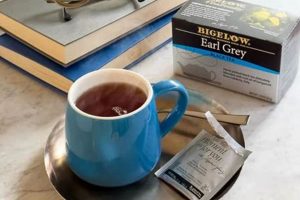
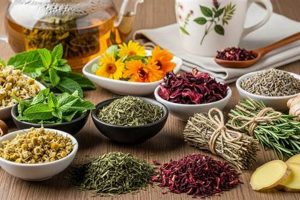
Infusions crafted from select botanicals, distinguished by premium ingredients and meticulous preparation, offer an elevated beverage experience. These blends often incorporate rare herbs, exotic spices, and edible flowers, sourced for their exceptional quality and aromatic complexity. An example would be a chamomile blend featuring hand-picked blossoms from a specific region known for its superior growing conditions, further enhanced with organic lavender and a touch of honey crystals.
The significance of these curated infusions stems from their potential contribution to wellness and relaxation. The perceived benefits range from aiding digestion and promoting sleep to providing a calming sensory experience. Historically, the use of herbs for therapeutic purposes dates back centuries, with various cultures valuing specific plants for their unique properties. These premium herbal blends represent a modern interpretation of this ancient tradition, emphasizing quality and craftsmanship.
The subsequent sections will delve into the sourcing of ingredients, the art of blending, and the potential health advantages associated with these select infusions. Further exploration will address the packaging and presentation aspects, ultimately outlining what constitutes the elevated experience.
Tips for Selecting and Enjoying Premium Botanical Infusions
The following recommendations provide guidance on maximizing the experience derived from these meticulously crafted beverages.
Tip 1: Source Transparency. Prioritize blends that disclose the origin and certification of their constituent herbs. This ensures quality and ethical sourcing practices.
Tip 2: Ingredient Examination. Carefully review the ingredients list. High-quality infusions feature whole leaves, flowers, and spices, rather than finely ground powders or artificial flavorings.
Tip 3: Aroma Assessment. Before brewing, assess the dry blend’s aroma. A complex and nuanced scent profile is indicative of a well-crafted and fresh product.
Tip 4: Optimal Brewing Temperature. Adhere to the recommended water temperature specified by the producer. Overheating can scorch delicate herbs, resulting in a bitter taste.
Tip 5: Precise Steeping Time. Observe the suggested steeping duration. Over-steeping can lead to undesirable bitterness, while under-steeping may result in a weak and underdeveloped flavor.
Tip 6: Water Quality Consideration. Utilize filtered or spring water for brewing. Tap water often contains impurities that can negatively impact the infusion’s taste.
Tip 7: Proper Storage. Store the product in an airtight container, away from direct sunlight and strong odors. This preserves freshness and prevents flavor degradation.
Tip 8: Mindful Consumption. Approach the beverage as a sensory experience. Savor the aroma, observe the color, and appreciate the subtle nuances of flavor with each sip.
By implementing these strategies, individuals can enhance their appreciation and enjoyment of these carefully created infusions.
The article will now shift its focus to explore how premium packaging further contributes to the overall experience.
1. Premium Ingredients

The integration of superior-quality components constitutes a fundamental aspect of what distinguishes a beverage as a “luxury herbal tea”. The selection and utilization of such ingredients are not merely aesthetic choices but are intrinsically linked to the flavor profile, aromatic characteristics, and potential therapeutic benefits associated with the final product.
- Rare and Exotic Botanicals
The use of rare or exotic herbs, spices, and flowers, often sourced from specific geographic locations known for their exceptional growing conditions, is a hallmark of these premium infusions. Examples include single-estate chamomile flowers, wild-harvested mountain tea, or ethically sourced saffron threads. The scarcity and unique flavor profiles of these ingredients justify their higher cost and contribute to the perceived exclusivity.
- Organic and Sustainable Sourcing
Commitment to organic farming practices and sustainable sourcing methods is paramount. This ensures that the botanicals are free from synthetic pesticides, herbicides, and fertilizers, promoting both environmental responsibility and consumer health. Certifications such as USDA Organic or Fair Trade provide assurance of adherence to these standards. Such practices elevate the perceived value and ethical standing of the beverage.
- Whole Leaf and Flower Presentation
The visual presentation of ingredients significantly impacts the perception of quality. Premium blends frequently feature whole leaves, intact flower petals, and visible spice pieces, rather than finely ground powders or processed extracts. This allows consumers to appreciate the integrity and authenticity of the botanicals, signaling a commitment to quality over cost-effectiveness.
- Careful Harvesting and Processing
The methods employed for harvesting and processing the botanicals influence their flavor and aroma profiles. Hand-picking, sun-drying, and gentle processing techniques preserve the delicate essential oils and volatile compounds that contribute to the infusion’s complexity. This meticulous attention to detail differentiates premium ingredients from those that are mass-produced and processed using harsher methods.
In summation, the utilization of premium ingredients is not simply a matter of cost but rather a deliberate strategy to enhance the overall sensory experience and perceived value of the resulting infusion. These components, when carefully selected and expertly blended, contribute to the creation of a genuinely luxurious product that transcends the ordinary.
2. Aromatic Complexity
Aromatic complexity is a critical determinant in defining a herbal infusion as a premium product. The multi-layered and nuanced scent profile arises from a combination of volatile organic compounds present within the constituent botanicals. These compounds are released during the brewing process, stimulating olfactory receptors and contributing significantly to the overall sensory experience. The absence of such complexity typically relegates an infusion to a lower quality tier, lacking the depth and character expected of a luxury offering. The presence of a diverse range of aroma notes, from floral and fruity to spicy and earthy, is indicative of high-quality ingredients and skillful blending. For example, a blend incorporating rare rose petals, cardamom, and ginger may exhibit a complex aroma profile characterized by floral sweetness, warm spice, and subtle citrus undertones. This contrast sharply with a simple chamomile infusion, which, while possessing a pleasant aroma, generally lacks the same level of intricacy.
The development of aromatic complexity is directly influenced by several factors, including the origin and terroir of the botanicals, the harvesting and processing methods employed, and the expertise of the blender. Ingredients sourced from regions with favorable climates and soil conditions tend to exhibit richer and more nuanced aroma profiles. Gentle harvesting and drying techniques, such as air-drying or shade-drying, help to preserve the delicate volatile compounds responsible for aroma. Skillful blending involves carefully combining different botanicals to create a harmonious and balanced aromatic profile. This requires a deep understanding of the individual characteristics of each ingredient and how they interact with one another. An experienced blender can create a complex and intriguing aroma by carefully layering different notes and accents.
In conclusion, aromatic complexity serves as a key differentiator in the realm of herbal infusions, directly influencing consumer perception and contributing to the overall value proposition. A deep understanding of the factors that contribute to this complexity is essential for both producers and consumers seeking to identify and appreciate genuinely premium herbal tea. The challenge lies in consistently sourcing high-quality ingredients and mastering the art of blending to create infusions that deliver a truly exceptional aromatic experience. This emphasis on aromatic nuance aligns with the broader trend towards sensory exploration and heightened appreciation for artisanal products in the food and beverage industry.
3. Ethical Sourcing

The pursuit of quality in luxury herbal infusions extends beyond mere sensory attributes; it encompasses ethical considerations in the sourcing and production of ingredients. Ethical sourcing, in this context, refers to the responsible procurement of botanicals, ensuring fair treatment of workers, environmental sustainability, and respect for local communities. This approach directly impacts the perceived value and authenticity of luxury herbal infusions, shaping consumer perception and fostering brand loyalty.
Unethical sourcing practices, such as exploitative labor conditions or environmentally damaging farming techniques, undermine the very notion of luxury. The inherent value proposition of a premium product is diminished when its creation relies on injustice or environmental degradation. Conversely, ethical sourcing enhances the appeal of luxury herbal infusions by aligning them with consumer values of social responsibility and sustainability. For example, brands that partner with small-scale farmers, offering fair wages and supporting community development projects, create a positive narrative that resonates with conscientious consumers. The use of certified organic or biodynamic ingredients, sourced from farms that prioritize environmental stewardship, further reinforces this commitment to ethical practices. The result is not only a superior product but also a product that contributes to positive social and environmental outcomes.
The integration of ethical sourcing into the luxury herbal infusion market presents both challenges and opportunities. Verification and traceability of supply chains can be complex and costly, requiring meticulous documentation and independent audits. However, these investments can yield significant returns in terms of brand reputation, consumer trust, and long-term sustainability. By prioritizing ethical sourcing, producers of luxury herbal infusions can differentiate themselves in a competitive market, appealing to a growing segment of consumers who are willing to pay a premium for products that align with their values. The broader implication is a shift towards a more responsible and sustainable business model within the herbal tea industry, benefiting both consumers and producers alike.
4. Wellness benefits
The association between wellness benefits and luxury herbal infusions represents a significant driver of consumer interest and perceived value. The purported health-promoting properties of specific botanicals, coupled with the sensory experience, contribute to the overall appeal of these premium beverages. While not all claims are substantiated by rigorous scientific evidence, the tradition of using herbs for therapeutic purposes remains a central aspect of their allure.
- Stress Reduction and Relaxation
Certain herbs, such as chamomile, lavender, and valerian root, are traditionally associated with calming and anxiolytic effects. These botanicals are believed to interact with neurotransmitter systems in the brain, promoting relaxation and reducing feelings of stress and anxiety. Consuming a luxury herbal tea containing these ingredients can be perceived as a self-care ritual, providing a moment of respite from the demands of daily life. The sensory experience of the aroma and taste further enhances this relaxation response.
- Digestive Support
Many herbal infusions are believed to aid digestion and alleviate gastrointestinal discomfort. Ingredients like peppermint, ginger, and fennel are traditionally used to soothe stomachaches, reduce bloating, and promote healthy digestion. These herbs may possess anti-inflammatory and antispasmodic properties that contribute to their digestive benefits. A luxury herbal tea blend designed for digestive support often incorporates a carefully selected combination of these ingredients, offering a holistic approach to gastrointestinal wellness.
- Immune System Enhancement
Some herbs and spices, such as elderflower, echinacea, and ginger, are reputed to support immune function. These botanicals contain antioxidants and other bioactive compounds that may help to protect the body against infection and disease. While the evidence supporting these claims is often preliminary, the perceived immune-boosting properties contribute to the overall appeal of luxury herbal infusions. A blend formulated for immune support may incorporate a range of these ingredients, offering a concentrated dose of potentially beneficial compounds.
- Improved Sleep Quality
Herbs like chamomile, lemon balm, and passionflower are often used to promote sleep and improve sleep quality. These botanicals are believed to have mild sedative effects, helping to calm the mind and prepare the body for rest. A luxury herbal tea designed for sleep enhancement is often consumed before bedtime as part of a relaxing evening routine. The warm, comforting beverage, combined with the calming effects of the herbs, can contribute to a more restful and rejuvenating sleep experience.
In conclusion, the perceived wellness benefits associated with luxury herbal infusions play a significant role in their market positioning and consumer appeal. While scientific evidence may not always fully support the anecdotal claims, the tradition of using herbs for therapeutic purposes, combined with the sensory experience and the growing emphasis on self-care, contribute to the enduring popularity of these premium beverages. It is important for consumers to approach these claims with a discerning eye, recognizing that herbal infusions should not be considered a substitute for medical treatment, but rather as a potential adjunct to a healthy lifestyle.
5. Artisanal Blending

Artisanal blending represents a critical process in the creation of luxury herbal tea, transforming individual ingredients into a cohesive and elevated beverage experience. This meticulous craft transcends mere combination; it involves a deep understanding of each component’s properties and their synergistic potential.
- Ingredient Sourcing and Selection
Artisanal blenders prioritize sourcing high-quality, ethically obtained botanicals. They often establish direct relationships with growers to ensure consistency and traceability. Selection involves rigorous evaluation of aroma, flavor, and visual characteristics, discarding any ingredients that fail to meet stringent standards. For example, a master blender might specify chamomile flowers grown at a particular altitude to achieve a desired level of sweetness and floral notes. This level of scrutiny directly impacts the final product’s quality and exclusivity.
- Flavor Profiling and Balance
Creating a balanced flavor profile is paramount in artisanal blending. Blenders carefully consider how different herbs and spices interact, aiming to achieve a harmonious and complex taste. This often involves meticulous experimentation and adjustment of ingredient ratios. For instance, a blend designed to promote relaxation might combine lavender, chamomile, and lemon balm, with precise proportions to ensure that no single flavor overpowers the others. The goal is a sophisticated and enjoyable sensory experience.
- Sensory Evaluation and Refinement
Artisanal blenders rely heavily on sensory evaluation throughout the blending process. They meticulously taste and assess each iteration of a blend, making adjustments based on their olfactory and gustatory perceptions. This iterative process may involve numerous refinements before the desired flavor profile is achieved. The blender’s expertise is essential in identifying subtle nuances and ensuring that the final product meets the highest standards of quality.
- Batch Size and Production Scale
Artisanal blending typically involves smaller batch sizes compared to mass-produced herbal teas. This allows for greater control over the blending process and ensures consistent quality. Small-batch production often translates to limited availability, further enhancing the exclusivity and perceived luxury of the final product. While scalability may be a challenge, the emphasis remains on maintaining the integrity of the blending process and the quality of the ingredients.
The artistry inherent in blending directly contributes to the unique characteristics and elevated value of luxury herbal tea. This process, demanding specialized knowledge and a commitment to quality, sets apart exceptional offerings from commonplace infusions. The careful attention to ingredient selection, flavor balancing, and sensory refinement distinguishes truly remarkable blends.
6. Sensory Experience

The sensory experience associated with a beverage is a primary determinant of its perceived quality and value. In the context of luxury herbal tea, the multifaceted sensory engagement elevates the act of consumption beyond mere hydration, transforming it into a holistic and immersive occasion.
- Olfactory Engagement
The initial encounter with luxury herbal tea often involves a potent olfactory stimulus. The aroma, arising from volatile organic compounds within the botanicals, sets the stage for the subsequent gustatory experience. High-quality infusions exhibit complex and nuanced scent profiles, derived from carefully selected ingredients and skillful blending. A poorly executed blend, conversely, may present a muted or unbalanced aroma, diminishing the overall sensory impact. Examples include the rich, floral bouquet of a rose-infused tea or the spicy, invigorating scent of a ginger-citrus blend. The absence of a compelling aroma negatively impacts consumer perception.
- Visual Aesthetics
Visual elements contribute significantly to the sensory experience. The appearance of the dry blend, the color of the steeped infusion, and the presentation of the beverage all influence consumer perception. Luxury herbal teas often feature whole leaves, flowers, and spices, providing a visually appealing display of natural ingredients. The clarity and hue of the infused liquid further enhance the visual experience. A tea with a vibrant, golden color, free from cloudiness or sediment, is generally perceived as being of higher quality. The use of elegant teaware and thoughtful presentation further elevates the sensory experience.
- Tactile Sensations
Tactile sensations, although often overlooked, play a subtle yet important role. The warmth of the cup in hand, the smoothness of the liquid on the palate, and even the texture of the tea bag or infuser contribute to the overall sensory experience. A well-crafted herbal tea should offer a pleasant and soothing mouthfeel, devoid of any harshness or astringency. The use of high-quality teaware, such as fine porcelain or glass, can further enhance the tactile dimensions of the experience.
- Gustatory Nuances
The gustatory experience, or the sense of taste, represents the culmination of the sensory journey. Luxury herbal teas are characterized by complex and nuanced flavor profiles, reflecting the quality of the ingredients and the skill of the blender. The interplay of sweet, sour, bitter, and savory notes creates a dynamic and engaging taste sensation. A truly exceptional herbal tea offers a lingering finish, leaving a pleasant and memorable aftertaste. A lack of complexity or the presence of off-flavors detract significantly from the overall sensory experience. For instance, some herbal teas may taste earthy or grassy.
The integration of these sensory elementsolfactory engagement, visual aesthetics, tactile sensations, and gustatory nuancesis paramount in creating a truly luxurious and memorable herbal tea experience. When these facets are carefully considered and expertly executed, the act of consumption transcends mere hydration, becoming a sensory journey that delights and satisfies. The degree to which a beverage successfully engages these senses is a key indicator of its quality and contributes directly to its perceived luxury status.
Frequently Asked Questions About Luxury Herbal Tea
The following questions and answers address common inquiries regarding the selection, benefits, and characteristics of premium herbal infusions.
Question 1: What differentiates luxury herbal tea from standard herbal tea?
Luxury herbal tea distinguishes itself through superior ingredient quality, meticulous sourcing practices, artisanal blending techniques, and enhanced sensory characteristics, including a more complex aroma and flavor profile. Standard herbal tea typically employs less expensive ingredients and mass-production methods.
Question 2: Are the health claims associated with luxury herbal tea scientifically validated?
While many herbal teas are traditionally associated with specific health benefits, the extent of scientific validation varies. Some claims are supported by preliminary research, while others rely primarily on anecdotal evidence. It is recommended to consult a healthcare professional before using herbal teas for medicinal purposes.
Question 3: How should luxury herbal tea be properly stored to maintain its quality?
Luxury herbal tea should be stored in an airtight container, away from direct sunlight, heat, and moisture. Proper storage prevents degradation of essential oils and preserves the tea’s flavor and aroma. Refrigeration is generally not recommended, as condensation can damage the herbs.
Question 4: What constitutes ethical sourcing in the context of luxury herbal tea?
Ethical sourcing involves ensuring fair wages and safe working conditions for farmers and harvesters, promoting sustainable farming practices, and respecting local communities. Certifications such as Fair Trade and Rainforest Alliance provide assurance of ethical sourcing standards.
Question 5: How does water quality affect the taste of luxury herbal tea?
Water quality significantly impacts the taste of herbal tea. Filtered or spring water is recommended to avoid the chlorine and mineral content found in tap water, which can interfere with the tea’s flavor. The water’s temperature should also be carefully controlled according to the specific tea’s instructions.
Question 6: Is the higher cost of luxury herbal tea justified?
The higher cost reflects the premium ingredients, ethical sourcing practices, artisanal blending, and enhanced sensory experience associated with luxury herbal tea. The value proposition ultimately depends on individual consumer preferences and willingness to pay for these attributes.
In summary, selecting a high-quality beverage involves a careful consideration of its attributes and associated advantages.
The article will continue to explore key trends in the luxury herbal tea market.
Conclusion
This exploration of luxury herbal tea has illuminated the defining characteristics of this premium beverage category. From the scrupulous selection of ingredients and ethical sourcing practices to the meticulous artisanal blending and the resultant sensory experience, each facet contributes to its elevated status. The consideration of potential wellness benefits further shapes consumer perception and demand.
The future of luxury herbal tea hinges on maintaining ingredient integrity, embracing sustainable practices, and continuously refining the sensory experience. As consumer awareness grows, transparency and authenticity will be paramount. The enduring appeal of luxury herbal tea resides in its capacity to provide a moment of indulgence and well-being within an increasingly complex world. Continued emphasis on quality and responsibility will be crucial for sustained success.