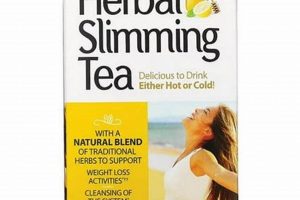
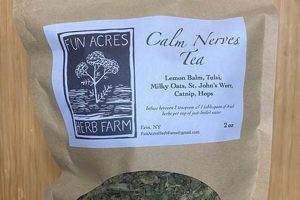
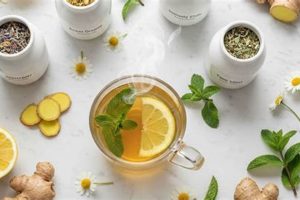
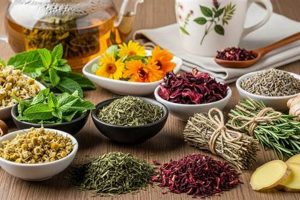
Beverages crafted exclusively from plant materials, excluding Camellia sinensis (true tea), and without artificial additives are categorized under this description. These infusions utilize dried flowers, fruits, leaves, seeds, or roots to create flavorful and aromatic drinks. A common example includes chamomile infusion, used for its calming properties.
Such preparations hold significant value due to their potential health benefits. They often contain antioxidants, vitamins, and minerals that can contribute to overall well-being. Historically, many cultures have utilized these plant-based drinks for medicinal purposes, recognizing their therapeutic properties for centuries. Their consumption is often linked to relaxation, improved digestion, and enhanced immune function.
Subsequent sections will delve deeper into specific types of these plant-based infusions, their respective properties, potential benefits, sourcing considerations, and preparation methods, providing a comprehensive understanding of their role in a healthy lifestyle.
Guidance on Plant-Based Infusions
The following are actionable insights to ensure optimal enjoyment and potential benefits from plant-derived infusions.
Tip 1: Sourcing Verification: Prioritize reputable suppliers. Confirm the origin and processing methods of the raw materials to mitigate potential contamination or adulteration.
Tip 2: Ingredient Familiarity: Research the specific herbs intended for consumption. Understanding potential contraindications with existing medications or health conditions is paramount.
Tip 3: Preparation Precision: Adhere to recommended steeping times and water temperatures. Over-steeping may result in a bitter taste, while under-steeping might limit the extraction of beneficial compounds.
Tip 4: Moderation Observance: While generally safe, excessive consumption should be avoided. Monitor for any adverse reactions, such as allergic responses or digestive discomfort.
Tip 5: Storage Protocol: Maintain freshness by storing dried herbs in airtight containers, away from direct sunlight and moisture, to prevent degradation of volatile oils and flavor compounds.
Tip 6: Brewing Equipment Consideration: Opt for non-reactive materials, such as glass or stainless steel, for brewing. Avoid aluminum or plastics, as they may leach undesirable substances into the infusion.
Tip 7: Water Quality Assessment: Utilize filtered or purified water to enhance the taste and prevent the introduction of unwanted minerals or chemicals that may interfere with the herbs’ natural flavors.
Tip 8: Explore Variety: Experiment with different blends and single-herb infusions to discover preferred flavors and potential synergistic effects of combining various plant materials.
These recommendations aim to maximize the flavor and potential advantages of incorporating plant-based infusions into a balanced lifestyle.
The subsequent section will address common inquiries and misconceptions surrounding this category of beverages.
1. Purity

Purity, in the context of plant-derived infusions, is paramount. It dictates the inherent quality and intended benefits, influencing consumer perception and overall wellness potential.
- Absence of Artificial Additives
Purity necessitates the exclusion of synthetic flavorings, colorings, preservatives, and sweeteners. These additives can compromise the integrity of the infusion, potentially introducing undesirable chemicals or masking the natural characteristics of the botanicals. For instance, some commercial tea bags contain artificial flavor enhancers that detract from the true taste of the herbs.
- Organic Sourcing
Purity is strongly linked to organic farming practices. Organic cultivation minimizes exposure to pesticides, herbicides, and synthetic fertilizers. These chemicals, if present, can contaminate the herbs and potentially pose health risks to consumers. Choosing organically sourced herbal infusions aligns with the pursuit of a purer product.
- Minimal Processing
Purity is maintained through gentle processing methods that preserve the natural integrity of the botanicals. Excessive heat, irradiation, or chemical treatments can degrade beneficial compounds and alter the flavor profile. Sun-drying or air-drying techniques, employed in certain artisanal preparations, are preferred for their minimal impact on the herbs’ composition.
- Contaminant Control
Purity requires rigorous testing and monitoring for contaminants, such as heavy metals, molds, and bacteria. These contaminants can compromise the safety and quality of the infusion. Reputable suppliers implement quality control measures to ensure that their products meet established purity standards. For example, certificates of analysis from third-party laboratories provide assurance of contaminant levels.
These facets of purity converge to define the essence of authentic plant-derived infusions. By prioritizing the absence of artificial substances, embracing organic practices, minimizing processing, and controlling contaminants, consumers can ensure they are experiencing the true potential and benefits. The pursuit of this is intrinsically linked to the preservation of both the beverage’s natural character and the consumer’s well-being.
2. Botanicals

Botanicals, the foundational components of plant-derived infusions, dictate their flavor profiles, therapeutic properties, and overall characteristics. Their selection, preparation, and interaction directly influence the final beverage’s quality and efficacy.
- Plant Species Diversity
Botanicals encompass a vast array of plant species, each possessing unique chemical constituents. The choice of specific plants directly impacts the infusion’s potential benefits. For example, chamomile, Matricaria chamomilla, is known for its calming effects, while peppermint, Mentha piperita, is associated with digestive aid. Understanding the properties of different botanicals is essential for tailoring the infusion to specific needs.
- Plant Part Utilization
Different plant parts leaves, flowers, roots, seeds, and bark contain varying concentrations of active compounds. An infusion prepared from ginger root, Zingiber officinale, will differ significantly in flavor and potency from one made with hibiscus flowers, Hibiscus sabdariffa. This distinction highlights the importance of specifying which part of the plant is used in the preparation.
- Geographic Origin and Cultivation
Environmental factors, such as soil composition, climate, and altitude, influence the chemical makeup of plants. Botanicals grown in different regions or cultivated using different methods can exhibit variations in taste and therapeutic properties. For instance, Darjeeling tea, grown in the foothills of the Himalayas, possesses distinct characteristics compared to tea grown in lower altitudes. The origin and cultivation methods therefore contribute to the botanicals quality.
- Harvesting and Drying Techniques
The methods used to harvest and dry botanicals significantly impact their preservation and overall quality. Careful harvesting practices, such as selecting plants at their peak ripeness, and appropriate drying techniques, such as air-drying in a shaded environment, help retain volatile oils and other beneficial compounds. Improper handling can lead to spoilage, mold growth, or loss of flavor.
The interplay of these factors emphasizes the complexity of botanicals in plant-derived infusions. By considering the species, part utilized, origin, and handling of the plant material, consumers can better appreciate the nuances and potential benefits of these natural beverages. Understanding the role of is foundational to evaluating the quality, sourcing, and intended use of this beverage category.
3. Infusion
The process of infusion is intrinsically linked to the creation and characteristics of beverages derived from plants. Infusion describes the extraction of flavors, aromas, and bioactive compounds from plant matter through the application of a liquid, typically hot water. This extraction method is fundamental, serving as the critical step that transforms dried herbs, flowers, roots, and other plant components into palatable and potentially therapeutic drinks. The efficacy and quality of such beverages hinge directly on the execution of the infusion process. For example, inadequate steeping time might result in a weak, flavorless liquid, while excessive heat could degrade delicate volatile oils, diminishing the intended aroma and therapeutic value.
The parameters governing the infusion processnamely, water temperature, steeping time, and the ratio of plant material to waterexert a profound influence on the final product. Different plant species require specific conditions to optimize the extraction of their beneficial compounds. Delicate floral infusions, such as chamomile, benefit from lower water temperatures and shorter steeping times to prevent bitterness. Conversely, robust root-based infusions, like ginger, may necessitate higher temperatures and longer steeping durations to fully release their potent constituents. Precision in controlling these variables is essential for achieving the desired taste profile and maximizing the potential health benefits. One notable example is green tea, an improper infusion can result in a bitter taste due to tannin extraction.
In summary, the infusion process is not merely a means of preparing plant-based beverages but a crucial determinant of their quality, flavor, and therapeutic efficacy. The controlled manipulation of water temperature, steeping time, and plant-to-water ratio directly impacts the extraction of bioactive compounds, influencing the final product’s characteristics. A thorough understanding of these parameters is paramount for both producers and consumers seeking to optimize the flavor and health benefits derived from plant-based infusions. Challenges in the infusion process such as ensuring consistent extraction, and preserving volatile oils are critical to the quality of the drink. This underscores the importance of a nuanced approach to this method.
4. Benefits

The perceived advantages associated with plant-derived infusions stem from the inherent properties of the botanicals they contain. These benefits are often attributed to the presence of various bioactive compounds, including antioxidants, vitamins, and minerals. However, it is crucial to acknowledge that scientific evidence supporting these claims varies, and individual responses can differ.
- Antioxidant Activity
Many plant-derived infusions contain antioxidants, which are compounds that can neutralize free radicals in the body. Free radicals are unstable molecules that can damage cells and contribute to aging and various diseases. Examples include infusions derived from hibiscus, which is rich in anthocyanins, and green tea, which contains catechins. The degree of antioxidant activity depends on the specific botanical and the infusion process.
- Stress Reduction and Relaxation
Certain infusions are traditionally used for their calming properties. Chamomile, for instance, contains compounds that may promote relaxation and reduce anxiety. Similarly, lavender infusions are often associated with improved sleep quality. The mechanisms behind these effects are not fully understood but are believed to involve interactions with neurotransmitter systems in the brain.
- Digestive Support
Some plant-derived infusions may aid digestion and alleviate gastrointestinal discomfort. Peppermint is a common example, known for its ability to relax the muscles of the digestive tract and reduce bloating. Ginger is another popular choice, often used to ease nausea and vomiting. The effectiveness of these infusions can depend on the individual and the underlying cause of the digestive issue.
- Immune System Support
Certain infusions contain vitamins and minerals that may support immune function. Rosehip, for example, is a good source of vitamin C, an essential nutrient for immune health. Echinacea is another botanical often associated with immune support, although scientific evidence regarding its efficacy is mixed. The contribution of these infusions to overall immune health is likely modest and should not be considered a substitute for other healthy lifestyle practices.
The purported advantages of plant-derived infusions encompass a range of potential health benefits, from antioxidant activity to stress reduction and digestive support. While these infusions may offer certain advantages, it is crucial to approach them with realistic expectations and to consult with a healthcare professional before using them as a primary treatment for any health condition. Further research is needed to fully elucidate the mechanisms of action and the extent of the benefits associated with these botanical beverages. The benefits are intertwined with the sourcing, preparation, and individual consumption patterns.
5. Sourcing
The integrity of any “all natural herbal tea” hinges fundamentally on sourcing. This process dictates the quality of raw materials, influences the presence of contaminants, and underpins the ethical considerations surrounding production. Poorly sourced ingredients, regardless of processing methods, compromise the final product’s purported naturalness and benefits. For instance, herbs cultivated with synthetic pesticides or fertilizers, while technically “herbal,” deviate from the essence of a truly natural product, potentially introducing unwanted chemicals into the consumer’s system. A direct causal relationship exists: unethical sourcing begets compromised integrity.
Sourcing’s importance extends beyond mere purity. The geographical origin, cultivation practices, and harvesting techniques profoundly impact the bioactive compounds within the plants. Herbs grown in specific regions may exhibit unique flavor profiles and therapeutic properties due to variations in soil composition, climate, and altitude. For example, chamomile sourced from Egypt is often prized for its high concentration of essential oils, contributing to a more potent calming effect. Conversely, substandard harvesting and drying methods can degrade these valuable compounds, diminishing the infusion’s potential benefits. The practical significance of understanding sourcing is manifested in the ability to discern between a truly beneficial product and one that merely markets itself as such.
In conclusion, sourcing is not merely a logistical concern but a critical determinant of “all natural herbal tea’s” authenticity and effectiveness. Challenges such as supply chain transparency and the prevalence of misleading labeling practices necessitate diligent scrutiny. A comprehensive understanding of sourcing practices empowers consumers to make informed choices, ensuring that their selection aligns with the principles of naturalness, sustainability, and ethical production. The connection between sourcing and the final product underscores the importance of prioritizing transparency and traceability throughout the supply chain.
6. Preparation
The method of preparing plant-based infusions directly influences their flavor, potency, and overall quality. Precise preparation techniques are crucial for extracting the desired compounds while minimizing undesirable elements. Variations in water temperature, steeping time, and equipment utilized can substantially alter the final beverage.
- Water Temperature Control
Water temperature significantly affects the extraction of plant compounds. Excessive heat can degrade delicate volatile oils, leading to a loss of aroma and flavor. Conversely, insufficient heat may result in incomplete extraction, yielding a weak and underwhelming infusion. Specific herbs require tailored temperature ranges. For instance, green tea typically benefits from lower temperatures (around 170-185F) to prevent bitterness, while robust roots like ginger may require boiling water for optimal extraction.
- Steeping Time Optimization
Steeping time, the duration the herbs are immersed in water, dictates the concentration of extracted compounds. Short steeping times may produce a subtle flavor, while prolonged steeping can lead to bitterness or astringency due to the release of tannins. Different herbs necessitate varying steeping times. Chamomile, for example, generally steeps for 5-7 minutes, while black tea often requires only 3-5 minutes. Regular monitoring during steeping allows for adjusting the time to achieve the desired taste.
- Filtration and Separation Methods
The method of separating the infused liquid from the spent plant material impacts the final product’s clarity and sediment content. Tea bags, infusers, and loose-leaf strainers are common tools. Tea bags offer convenience but may restrict the herbs’ expansion, potentially limiting extraction. Loose-leaf methods allow for greater control over leaf quantity and expansion, often resulting in a more flavorful infusion. Filtration through a fine-mesh strainer removes sediment, enhancing the beverage’s visual appeal.
- Vessel Material Considerations
The material of the brewing vessel can influence the infusion’s flavor profile. Non-reactive materials, such as glass or stainless steel, are preferred as they do not impart any unwanted tastes or chemicals. Reactive materials, like aluminum, can interact with certain compounds, potentially altering the flavor and color of the infusion. Ceramic teapots are also widely used but should be lead-free to prevent contamination.
These facets of preparation are intertwined, collectively shaping the final character of “all natural herbal tea”. Mastery of water temperature, steeping time, filtration, and vessel selection enables the creation of a balanced, flavorful, and potentially therapeutic beverage. The application of appropriate methods is crucial for unlocking the full potential of the chosen botanicals. Improper preparation negates the work from sourcing.
7. Flavor
Flavor, in the realm of plant-derived infusions, represents a multifaceted sensory experience shaped by the interplay of aroma, taste, and mouthfeel. This characteristic defines consumer perception and acceptance of these beverages, playing a central role in their selection and consumption. Understanding the underlying components and influencing factors of flavor is crucial for appreciating the nuances and diverse offerings within this category.
- Botanical Composition and Volatile Compounds
The botanical ingredients directly dictate the flavor profile. Each plant species possesses a unique array of volatile compounds, contributing to distinct aromas and tastes. For example, chamomile releases apigenin, imparting a floral, slightly sweet flavor, while peppermint contains menthol, resulting in a cooling, refreshing sensation. The relative concentration and interaction of these volatile compounds define the overall sensory experience. Infusions containing multiple botanicals exhibit complex flavor profiles arising from the synergistic or antagonistic effects of their individual components.
- Cultivation Practices and Terroir
Environmental factors, including soil composition, climate, and altitude, exert a significant influence on the chemical makeup of plants, thereby affecting their flavor. This concept, often referred to as “terroir,” highlights the impact of geographical origin and cultivation practices on the sensory characteristics of botanicals. For instance, tea leaves grown in high-altitude regions may develop distinct flavor nuances compared to those cultivated in lower altitudes. Sustainable and organic farming practices, which minimize the use of synthetic pesticides and fertilizers, can also contribute to a more natural and authentic flavor.
- Processing Methods and Infusion Techniques
Post-harvest processing techniques, such as drying, fermentation, and roasting, can modify the flavor of botanicals. Drying methods, for example, impact the retention of volatile oils, influencing the aroma and taste of the final infusion. Furthermore, infusion techniques, including water temperature and steeping time, play a crucial role in extracting flavor compounds. Over-steeping can release tannins, leading to a bitter or astringent taste, while under-steeping may result in an incomplete extraction of flavor compounds. The selection of appropriate processing and infusion methods is essential for optimizing the flavor of plant-derived infusions.
- Blending and Flavor Enhancement
The art of blending involves combining different botanicals to create unique and harmonious flavor profiles. Blending can enhance desirable flavors, balance contrasting tastes, and introduce complexity to the sensory experience. Flavor enhancement techniques, such as adding natural sweeteners (e.g., honey, stevia) or spices (e.g., cinnamon, ginger), can further modify the flavor profile. However, the use of artificial flavorings or additives can compromise the naturalness and authenticity of plant-derived infusions. Transparency in ingredient labeling is crucial for consumers to make informed choices regarding flavor enhancement.
These elements are interwoven into the flavor of plant-based infusions, underscoring the need for a nuanced understanding of these factors for both producers and consumers. These elements underscore the importance of botanical selection, sustainable cultivation practices, mindful processing techniques, and skillful blending in shaping the sensory qualities of these beverages. By appreciating the intricate relationship between these elements, consumers can better navigate the diverse offerings within this category and select infusions that align with their individual preferences. Furthermore, these factors contribute to the overall perception of quality and value associated with plant-derived infusions, emphasizing the importance of flavor as a key differentiator in the market.
Frequently Asked Questions
This section addresses common inquiries regarding plant-derived infusions, providing clarity on prevalent concerns and misconceptions.
Question 1: Are plant-derived infusions inherently caffeine-free?
Plant-derived infusions are not inherently caffeine-free. The presence of caffeine depends entirely on the botanicals used. Beverages derived from Camellia sinensis (tea), such as green tea and black tea, contain caffeine. Infusions prepared solely from other plant materials (e.g., chamomile, peppermint) are typically caffeine-free.
Question 2: Can plant-derived infusions interact with medications?
Plant-derived infusions can potentially interact with medications. Certain botanicals contain compounds that may affect drug metabolism or absorption. Individuals taking prescription medications should consult with a healthcare professional before regularly consuming specific herbal infusions.
Question 3: Is “all natural” a regulated term in the context of plant-derived infusions?
The term “all natural” lacks a strict legal definition in many jurisdictions. While it generally implies the absence of artificial additives, the interpretation can vary. Consumers should carefully examine ingredient lists and certifications to verify the product’s composition.
Question 4: How should plant-derived infusions be stored to maintain freshness?
Plant-derived infusions should be stored in airtight containers, away from direct sunlight, heat, and moisture. These conditions can degrade volatile oils and diminish the flavor and potency of the botanicals. Proper storage practices are essential for preserving the quality of the infusion.
Question 5: Can plant-derived infusions be used as a substitute for medical treatment?
Plant-derived infusions should not be used as a substitute for conventional medical treatment. While some botanicals possess therapeutic properties, they are not intended to diagnose, treat, cure, or prevent any disease. Individuals with health concerns should seek professional medical advice.
Question 6: Are all plant-derived infusions safe for consumption during pregnancy?
Not all plant-derived infusions are safe for consumption during pregnancy. Certain botanicals possess properties that may be harmful to pregnant women or the developing fetus. Pregnant individuals should consult with a healthcare professional before consuming any herbal infusions.
Plant-derived infusions offer a diverse range of flavors and potential benefits; however, informed consumption requires awareness of potential interactions, storage requirements, and limitations regarding medical treatment. Due diligence in sourcing and preparation is crucial.
The subsequent section will explore emerging trends and innovations within the field of plant-derived infusions.
Conclusion
The foregoing examination of “all natural herbal tea” illuminates its multifaceted nature, encompassing botanical origins, sourcing protocols, preparation methodologies, and potential health implications. This exploration underscores the importance of informed consumerism within this category, necessitating a critical assessment of product claims and ingredient transparency. The absence of artificial additives alone does not guarantee quality or efficacy.
Therefore, continued research into the bioactive compounds present in diverse botanicals, coupled with stringent regulatory oversight, is essential to ensure the integrity of “all natural herbal tea” offerings. This commitment to evidence-based evaluation will enable both producers and consumers to navigate the market with confidence, fostering a future where the purported benefits of these infusions are substantiated by scientific rigor and ethical production practices.