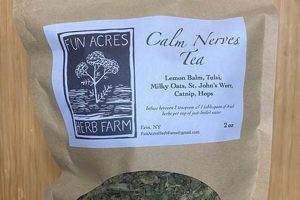
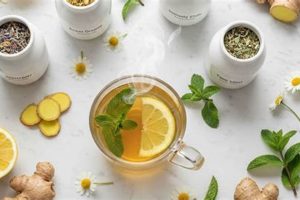
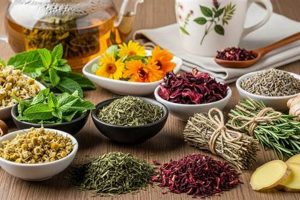
Infusions derived from plants other than Camellia sinensis constitute a diverse range of beverages enjoyed worldwide. These preparations, often called tisanes, utilize various plant parts such as flowers, leaves, roots, and seeds to create drinks with distinct flavors and potential health-promoting properties. Chamomile, peppermint, ginger, rooibos, and hibiscus are popular choices that demonstrate the breadth of this category.
The appeal of these botanical brews lies in their potential to offer therapeutic benefits and promote relaxation. They have a long history of use in traditional medicine and continue to be valued for their purported antioxidant, anti-inflammatory, and digestive aid properties. The consumption of these beverages represents a holistic approach to wellness, emphasizing natural remedies and mindful consumption.
The following sections will delve into specific types, exploring their unique characteristics, potential applications, and relevant considerations for those seeking to incorporate them into their daily routine. This exploration will illuminate the varied benefits and nuances of different plant-based infusions.
Guidance on Herbal Infusions
The following provides practical advice for the selection, preparation, and responsible enjoyment of botanical infusions.
Tip 1: Source High-Quality Ingredients: Select loose-leaf or tea bag options from reputable suppliers to ensure purity and potency. Consider organic varieties to minimize exposure to pesticides.
Tip 2: Mind Water Temperature: Employ near-boiling water (approximately 200-212F or 93-100C) for most infusions, but delicate floral varieties may benefit from slightly cooler water (around 170-185F or 77-85C) to prevent bitterness.
Tip 3: Adhere to Steeping Times: Observe recommended steeping durations, generally ranging from 3 to 7 minutes, to extract optimal flavor and beneficial compounds. Over-steeping can result in a bitter taste.
Tip 4: Explore Blends: Experiment with combining different botanicals to create customized infusions with complementary flavors and synergistic effects. Consider combinations such as chamomile and lavender for relaxation or ginger and lemon for digestive support.
Tip 5: Be Mindful of Potential Interactions: Individuals taking prescription medications or with pre-existing health conditions should consult a healthcare professional before regularly consuming specific botanical infusions, as some may interact with medications or exacerbate certain conditions.
Tip 6: Moderation is Key: Consume botanical infusions in moderation as part of a balanced diet and lifestyle. Excessive consumption of certain varieties may lead to adverse effects.
Tip 7: Consider Storage: Store dried botanicals and tea bags in airtight containers away from direct sunlight, heat, and moisture to preserve their flavor and potency.
Applying these guidelines will enhance the experience and promote the responsible enjoyment of various plant-derived infusions. The subsequent section will explore the historical context and cultural significance of these beverages.
1. Botanical Origins

The botanical origin of a plant-based infusion directly dictates its chemical composition, flavor profile, and potential physiological effects. The species of plant used, along with its growing conditions (soil, climate, altitude), significantly impacts the presence and concentration of various bioactive compounds, such as flavonoids, terpenes, and alkaloids. For instance, German chamomile ( Matricaria chamomilla) and Roman chamomile ( Chamaemelum nobile) share a common name but possess distinct chemical profiles, leading to subtle variations in flavor and perceived calming effects. Similarly, the terroir of a specific tea plant can alter the aroma and taste profile of the final product.
Consider the significant impact of geographic location on rooibos ( Aspalathus linearis). This shrub, endemic to the Cederberg region of South Africa, derives its unique flavor and antioxidant properties from the specific soil composition and climatic conditions found there. Attempts to cultivate rooibos elsewhere have generally failed to replicate the characteristic qualities of the Cederberg-grown variety. Conversely, the global trade of peppermint ( Mentha piperita) presents the need for careful identification and control to ensure consistency and prevent adulteration with other Mentha species that possess different menthol concentrations and potentially undesirable sensory characteristics.
Understanding the botanical origin is therefore crucial for quality control, accurate labeling, and consumer education. Challenges remain in tracing the provenance of herbal ingredients in complex blends, which may require advanced analytical techniques like DNA barcoding or isotopic analysis. Recognizing the link between origin and quality allows for responsible sourcing, promotes sustainable agriculture, and supports the production of consistent and effective plant-based beverages.
2. Preparation Methods

The methods employed to prepare plant-based infusions exert a significant influence on the final product’s flavor, aroma, and concentration of bioactive compounds. Variations in water temperature, steeping time, and brewing apparatus can dramatically alter the characteristics of the resulting beverage, impacting the overall consumer experience and perceived health benefits.
- Water Temperature and Solvent Extraction
Water temperature directly affects the efficiency of extracting water-soluble compounds from plant material. Higher temperatures generally increase the rate and extent of extraction, releasing a greater concentration of flavonoids, tannins, and other beneficial compounds. However, excessive heat can also degrade delicate aromatic compounds or contribute to the extraction of undesirable bitter substances. Delicate floral infusions like chamomile benefit from lower temperatures (70-80C), while tougher roots and barks, such as ginger or cinnamon, require near-boiling water (95-100C) for optimal extraction.
- Steeping Time and Compound Release
The duration of steeping influences the sequential release of different compounds. Initially, volatile aromatic oils are extracted, contributing to the beverage’s fragrance. Prolonged steeping allows for the release of more complex compounds, including tannins which impart astringency and bitterness. A typical steeping time of 3-5 minutes is appropriate for many leaf and flower infusions, whereas root and bark infusions may require longer durations (5-10 minutes) to fully extract their constituents. Over-steeping can result in an unpalatable, bitter taste.
- Brewing Apparatus and Particle Size
The type of brewing apparatus influences the contact area between the plant material and the water, thereby affecting the extraction efficiency. Loose-leaf infusions, prepared in teapots or infusers with sufficient space for the leaves to unfurl, generally yield a more complex and nuanced flavor profile compared to tea bags containing finely ground material. The smaller particle size in tea bags accelerates extraction, but may also lead to a less refined taste and increased sediment. The choice of brewing method depends on the desired level of control over the extraction process and the available resources.
- Water Quality and Mineral Content
The mineral content and pH of the water itself significantly affect the final infusion’s taste. Hard water, with high concentrations of calcium and magnesium, can interact with tannins to produce cloudiness or a metallic taste. Soft water, on the other hand, may result in a flatter, less flavorful infusion. Filtered water is generally recommended to remove chlorine and other impurities that can negatively impact the taste and aroma. Spring water, with a balanced mineral composition, is often preferred for its ability to enhance the natural flavors of the plant material.
In summary, preparation methods are an indispensable factor in determining the quality and characteristics of various plant-based infusions. The interplay of water temperature, steeping time, brewing apparatus, and water quality needs careful adjustment to extract each example of herbal tea at its best. Thoughtful consideration of these variables promotes the production of a satisfying and beneficial beverage experience.
3. Flavor Profiles
The sensory characteristics of plant-based infusions are critical to their appeal and cultural significance. Diverse flavor profiles result from the complex interplay of volatile aromatic compounds, non-volatile organic acids, sugars, and bitter principles present in the botanical material. These profiles dictate consumer preferences and influence the perceived health benefits.
- Aromatic Volatiles and Sensory Perception
Aromatic volatiles, such as terpenes, aldehydes, and esters, contribute to the initial perception of aroma and impact the overall flavor experience. Chamomile, for example, derives its characteristic apple-like aroma from compounds like -bisabolol and chamazulene. Peppermint owes its refreshing flavor to menthol and menthone. The specific composition and concentration of these volatile compounds determine the intensity and character of the infusions fragrance and taste.
- Non-Volatile Compounds and Taste Modulations
Non-volatile compounds, including organic acids, sugars, and tannins, contribute to the underlying taste sensations. Hibiscus infusions exhibit a tart, acidic flavor due to the presence of citric and malic acids. Rooibos offers a naturally sweet flavor attributed to its low tannin content and the presence of aspalathin, a unique dihydrochalcone glycoside. The interplay of these non-volatile components modulates the overall flavor profile, influencing perceptions of sweetness, sourness, bitterness, and astringency.
- Terroir and Environmental Influences
Environmental factors, such as soil composition, climate, and altitude, play a significant role in shaping the flavor profile of various plant-based infusions. The concept of terroir, often associated with wine production, is equally relevant to botanical ingredients. For instance, Darjeeling tea, grown in the foothills of the Himalayas, exhibits a distinct muscatel flavor that is directly linked to the unique microclimate and soil conditions of the region. Similarly, the flavor of lavender cultivated in Provence, France, differs from that grown in other regions due to variations in soil chemistry and sunlight exposure.
- Processing Techniques and Flavor Development
Processing techniques, such as drying, fermentation, and roasting, can profoundly influence the flavor profile of plant-based infusions. Green rooibos, which is unfermented, retains a grassy, vegetal flavor compared to the traditional red rooibos, which undergoes oxidation, resulting in a sweeter, more complex flavor. Roasting barley grains imparts a nutty, toasted flavor that is characteristic of Korean boricha. The manipulation of these processing techniques allows producers to tailor the flavor profile to meet specific consumer preferences.
Consideration of these flavor profile determinants underscores the complexity inherent in botanical infusions. By examining the contributing factors, a nuanced understanding of the sensory attributes and consumer appeal of these examples of herbal tea is achieved.
4. Potential Benefits
Plant-based infusions are frequently consumed for their perceived health-promoting properties. These purported benefits are linked to the diverse array of bioactive compounds present in various botanicals. The scientific evidence supporting these claims varies considerably, ranging from preliminary in vitro studies to more robust human clinical trials. It is, therefore, crucial to critically evaluate the available research before attributing definitive therapeutic effects to any particular example of herbal tea. For example, chamomile has traditionally been used for its calming and sleep-promoting effects. Some studies suggest that chamomile may reduce anxiety symptoms and improve sleep quality, although further research is warranted to confirm these findings and establish optimal dosages. Similarly, peppermint is often used to alleviate digestive discomfort. Peppermint oil, in particular, has demonstrated efficacy in reducing symptoms of irritable bowel syndrome (IBS). However, the benefits of peppermint leaf infusion may be less pronounced than those of concentrated peppermint oil. The presence and concentration of key constituents determine the potential effects of each infusion.
The antioxidant properties of many plant-based infusions are also a subject of considerable interest. Rooibos, for example, is rich in antioxidants, including aspalathin and nothofagin, which may help to protect against oxidative stress and reduce the risk of chronic diseases. Hibiscus infusions are also high in antioxidants and have been shown to lower blood pressure in some individuals. However, the bioavailability of these antioxidants and their actual impact on human health remain areas of ongoing investigation. Furthermore, the potential for interactions with medications and adverse effects must be considered. For example, St. John’s Wort, often consumed as an infusion, is known to interact with several medications, including antidepressants and blood thinners. Similarly, licorice root can raise blood pressure in susceptible individuals. Careful consideration of individual health conditions and potential interactions is essential before regularly consuming any plant-based infusion.
In conclusion, while many plant-based infusions are associated with potential health benefits, the scientific evidence supporting these claims varies widely. Further research is needed to fully elucidate the mechanisms of action, optimal dosages, and potential risks associated with each example of herbal tea. Responsible consumption, informed by a critical evaluation of the available evidence, is crucial to maximizing the potential benefits and minimizing the potential risks associated with these beverages. Careful attention to sourcing, preparation, and individual health conditions can contribute to a more positive and beneficial experience.
5. Regional Variations

The preparation, consumption, and perceived value of plant-based infusions exhibit considerable geographic diversity. These regional variations stem from factors including indigenous flora, historical trade routes, cultural traditions, and localized health beliefs. Understanding these influences provides crucial insight into the global landscape of examples of herbal tea.
- Indigenous Flora and Ingredient Availability
The availability of native plant species significantly shapes regional infusion preferences. In South America, yerba mate ( Ilex paraguariensis) is a widely consumed stimulant beverage due to its prevalence and cultural significance in the region. Similarly, rooibos ( Aspalathus linearis) is primarily associated with South Africa, where it is endemic and cultivated. The utilization of locally available botanicals promotes unique regional beverage traditions.
- Historical Trade Routes and Ingredient Dissemination
The establishment of trade routes facilitated the exchange of botanical ingredients across continents, influencing regional infusion practices. The Silk Road facilitated the introduction of spices like ginger and cinnamon into various Asian and European regions. Colonial trade networks contributed to the dissemination of herbs like chamomile and peppermint to diverse parts of the world. These historical exchanges resulted in the adoption of previously unfamiliar plants into regional beverage cultures.
- Cultural Traditions and Ritualistic Consumption
Cultural traditions often dictate the preparation methods, consumption rituals, and social significance of plant-based infusions. In Morocco, mint tea is a central element of hospitality, prepared with specific techniques and served as a gesture of welcome and friendship. In Japan, mugicha (roasted barley tea) is a common summertime beverage, consumed both hot and cold, often as a thirst quencher and digestive aid. Such culturally embedded practices contribute to the unique character of regional infusion traditions.
- Localized Health Beliefs and Medicinal Applications
Regional health beliefs influence the perceived therapeutic properties and medicinal applications of plant-based infusions. In traditional Chinese medicine, specific herbs are used in infusions to address imbalances and promote overall well-being. For example, Chrysanthemum tea is believed to have cooling properties and is often consumed to alleviate heat-related symptoms. In some parts of Europe, elderflower infusions are used to treat colds and flu. These regionally specific health beliefs contribute to the selection and utilization of botanical ingredients for perceived medicinal benefits.
The aforementioned factors illustrate the profound influence of regional variations on the creation, consumption, and interpretation of plant-based infusions. Examples of herbal tea are inextricably linked to local environments, historical exchanges, cultural practices, and health beliefs. Recognition of these diverse influences promotes a deeper appreciation for the rich and varied world of botanical beverages. These examples emphasize the adaptability and cultural integration of herbal remedies throughout human history, underlining their ongoing relevance.
6. Regulatory Considerations

Legal and regulatory frameworks significantly impact the production, marketing, and consumer understanding of plant-based infusions. These regulations aim to ensure product safety, accurate labeling, and truthful advertising, reflecting the increasing consumer interest in the composition and purported health benefits of these beverages.
- Labeling Requirements and Ingredient Transparency
Regulatory bodies often mandate specific labeling requirements for plant-based infusions, including accurate ingredient lists, net weight declarations, and manufacturer contact information. These requirements promote transparency and allow consumers to make informed purchasing decisions. For example, labeling regulations in many countries require the listing of all botanical ingredients by their common or botanical names, enabling consumers to identify potential allergens or ingredients of concern. Furthermore, the presence of added sugars, artificial sweeteners, or other additives must be clearly indicated on the label. In instances where botanical ingredients are sourced from genetically modified organisms (GMOs), specific labeling requirements may also apply.
- Health Claims and Substantiation Requirements
The use of health claims on plant-based infusion products is subject to strict regulatory scrutiny in many jurisdictions. Health claims, which assert a relationship between the consumption of a product and a specific health outcome, must be scientifically substantiated and approved by regulatory authorities. For example, a claim that a chamomile infusion “promotes relaxation” may require evidence from clinical trials demonstrating a statistically significant effect on reducing anxiety or improving sleep quality. Regulations often prohibit unsubstantiated or misleading health claims, aiming to protect consumers from deceptive marketing practices. The EFSA (European Food Safety Authority) and the FDA (Food and Drug Administration) in the United States, for example, have detailed guidelines for the types of health claims that are permitted and the level of evidence required for substantiation.
- Safety Standards and Contaminant Control
Regulatory agencies establish safety standards and contaminant control measures to ensure the quality and purity of plant-based infusions. These standards address potential hazards such as heavy metals, pesticides, microbial contamination, and pyrrolizidine alkaloids (PAs). Maximum levels for these contaminants are often established through regulations, and manufacturers are required to implement quality control measures to ensure compliance. Testing and certification programs may be required to demonstrate adherence to these safety standards. These measures are critical to safeguarding consumer health and preventing adverse reactions from contaminated products. Regulatory actions may include product recalls, import restrictions, and penalties for non-compliance.
- Classification and Taxation
The regulatory classification of plant-based infusions can impact their taxation, import/export regulations, and marketing restrictions. In some jurisdictions, examples of herbal tea are classified as food products, while in others, they may be categorized as dietary supplements or traditional medicines, each with its own set of regulatory requirements. The classification determines the applicable tax rates, labeling requirements, and the types of claims that can be made about the product. For instance, a product classified as a traditional medicine may be subject to more stringent regulatory oversight and may require pre-market approval. The classification of plant-based infusions, therefore, has significant implications for manufacturers and consumers.
These regulatory considerations demonstrate the complex legal landscape surrounding plant-based infusions. Adherence to labeling standards, substantiation of health claims, compliance with safety regulations, and appropriate classification are essential for ensuring consumer protection and fostering a responsible industry. Continuous monitoring of regulatory changes and engagement with regulatory bodies are critical for manufacturers to navigate this evolving landscape effectively. These regulations further ensure that consumers are correctly informed about the contents and potential effects of “examples of herbal tea,” aiding safer consumption habits.
Frequently Asked Questions about Plant-Based Infusions
The following addresses common inquiries regarding plant-based infusions, providing concise and evidence-based answers to enhance understanding of these beverages.
Question 1: What distinguishes plant-based infusions from traditional teas?
Plant-based infusions, unlike traditional teas, do not originate from the Camellia sinensis plant. Instead, they are derived from other botanicals, including flowers, leaves, roots, and fruits. This distinction is significant in terms of chemical composition, flavor profile, and potential physiological effects.
Question 2: Are all plant-based infusions safe for consumption?
While many plant-based infusions are generally considered safe, certain botanicals may interact with medications or exacerbate pre-existing health conditions. Individuals should consult a healthcare professional before regularly consuming new or unfamiliar infusions, particularly if they are taking prescription medications or have underlying health concerns.
Question 3: How should plant-based infusions be stored to maintain quality?
Dried plant material should be stored in airtight containers, away from direct sunlight, heat, and moisture. Proper storage helps to preserve the flavor, aroma, and potency of the botanicals.
Question 4: Do processing methods affect the composition of plant-based infusions?
Yes, processing methods, such as drying, fermentation, and roasting, can significantly alter the chemical composition and flavor profile of botanical infusions. These processes can modify the concentration of bioactive compounds and influence the overall sensory experience.
Question 5: What factors influence the flavor of plant-based infusions?
The flavor of plant-based infusions is influenced by several factors, including the botanical origin, growing conditions (soil, climate, altitude), preparation methods (water temperature, steeping time), and the presence of various volatile and non-volatile compounds.
Question 6: Are there specific regulations governing the labeling of plant-based infusions?
Yes, labeling regulations often require accurate ingredient lists, net weight declarations, and manufacturer contact information. Health claims are subject to regulatory scrutiny and must be scientifically substantiated.
In summary, plant-based infusions present a varied category of beverages, each with distinctive characteristics. Understanding the factors affecting their composition, safety, and labeling promotes informed consumer choices.
The subsequent section will summarize the key aspects of plant-derived infusions discussed within this article.
Conclusion
This exploration has illuminated the diverse landscape of examples of herbal tea, emphasizing their botanical origins, preparation nuances, flavor complexities, potential health implications, regional variations, and regulatory frameworks. It has underscored the significance of informed sourcing, responsible consumption, and critical evaluation of purported benefits, acknowledging the need for ongoing scientific investigation.
Continued research and thoughtful consideration of these factors are vital for both consumers and producers. Such an approach will facilitate a deeper understanding of the role and impact of these beverages on individual well-being and cultural practices globally. The future development of this beverage area hinges on a commitment to transparency, safety, and evidence-based information.