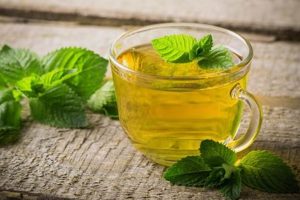
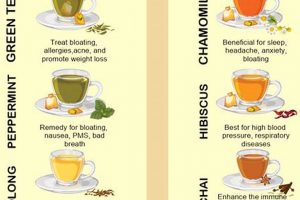
The categorization of green tea is a nuanced topic. While it originates from the Camellia sinensis plant, the processing methods distinguish it from other teas like black or oolong tea. True herbal infusions, on the other hand, are typically derived from plants other than Camellia sinensis, utilizing flowers, leaves, roots, or seeds of various species. For instance, chamomile tea, peppermint tea, or rooibos tea are indisputably considered herbal infusions as they do not contain any part of the tea plant itself.
The popularity of both true teas and herbal infusions stems from perceived health benefits and cultural significance. Teas, including green varieties, are often associated with antioxidant properties and potential cardiovascular advantages. Herbal infusions are also consumed for their purported therapeutic qualities, ranging from relaxation and digestive aid to immune system support. Historically, both have played significant roles in traditional medicine and social customs across diverse cultures.
Considering the botanical source and processing differences, a detailed examination of green tea’s properties, constituents, and accepted industry classifications provides a clearer understanding. Further research into regulations surrounding the marketing of teas and herbal products clarifies the distinction within the commercial landscape.
Understanding the botanical distinctions surrounding green tea is essential for consumers and industry professionals alike. Examining its classification allows for informed choices and accurate product labeling.
Tip 1: Understand the Botanical Origin: Green tea, unlike herbal infusions, originates from the Camellia sinensis plant. Recognizing this fundamental difference is the first step in proper categorization.
Tip 2: Consider Processing Methods: The processing of Camellia sinensis leaves determines the tea type. Green tea’s minimal oxidation distinguishes it from oolong and black teas. Processing is therefore a key point.
Tip 3: Differentiate from Herbal Infusions: Herbal infusions, or tisanes, are derived from plants other than Camellia sinensis. Common examples include chamomile, peppermint, and rooibos. This distinction is critical.
Tip 4: Consult Industry Standards: Tea associations and regulatory bodies often have specific definitions. Review these standards to ensure consistent and accurate classification of tea products.
Tip 5: Examine Product Labeling: Ingredient lists and product descriptions should accurately reflect the composition. Confirm that green tea products contain only Camellia sinensis and not other added herbs unless specifically declared.
Tip 6: Research Regulatory Definitions: Legal definitions of “tea” and “herbal product” may vary by region. Understanding these regulations ensures compliance and avoids misrepresentation.
Tip 7: Be Aware of Marketing Terminology: Some marketing language may blur the lines between teas and herbal infusions. Focus on ingredient lists and botanical sources for definitive classification.
Accurate classification of green tea ensures transparency and clarity for consumers. Distinguishing true teas from herbal infusions promotes informed decision-making within the beverage market.
Armed with this understanding, the reader can confidently navigate the complexities of tea categorization and make informed choices regarding their beverage consumption.
1. Botanical Origin

The botanical origin serves as a primary determinant in whether a beverage is considered herbal. Green tea, derived from the Camellia sinensis plant, is distinct from herbal infusions, which stem from various other plant species. This difference in origin directly impacts its classification. While both may offer perceived health benefits, the specific plant source dictates whether it aligns with the conventional understanding of the term ‘herbal.’ The use of Camellia sinensis means that, strictly speaking, green tea falls outside the core definition of an herbal infusion. For example, chamomile tea, derived from the chamomile flower, is unequivocally an herbal infusion because it uses a plant other than the tea plant.
The reliance on a specific plant species, namely Camellia sinensis, for all true teas highlights the fundamental importance of botanical origin in categorization. Without this plant, the beverage cannot be classified as tea. Consider the practical implications: product labeling hinges on accurately identifying the botanical source. Misrepresenting a Camellia sinensis product as an ‘herbal tea,’ without further clarification, could mislead consumers, especially those seeking specific health properties associated with certain herbal ingredients.
In summary, the botanical origin of green tea from Camellia sinensis firmly places it outside the definition of a true herbal infusion. While both may share similar consumption patterns or marketed health claims, the plant source represents a defining characteristic. The challenges lie in consumer awareness and potential marketing ambiguities. Clear communication regarding the botanical origin of beverages helps avoid misinterpretations and promotes informed consumer choices.
2. Processing Methods

Processing methods are pivotal in determining the final characteristics of tea derived from Camellia sinensis. The extent of oxidation, in particular, differentiates green tea from other varieties like black or oolong tea. This distinction is significant when considering whether green tea aligns with the classification of herbal products, which typically undergo minimal processing after harvesting.
- Oxidation Levels
Green tea’s defining characteristic is its minimal oxidation process. After harvesting, the leaves are quickly heated either through steaming or pan-firing to deactivate enzymes responsible for oxidation. This contrasts sharply with black tea, which undergoes full oxidation, resulting in a darker color and different flavor profile. The limited oxidation in green tea preserves much of the natural chemical composition of the leaf, which is more akin to how many herbal preparations are handled.
- Heat Treatment
The application of heat, whether steaming or pan-firing, plays a critical role in halting oxidation. Steaming, common in Japanese green teas, results in a smoother, more vegetal flavor. Pan-firing, prevalent in Chinese green teas, often imparts a toastier, nuttier note. While both methods involve heat, they are generally considered minimal processing steps compared to the more involved methods used for other tea types or the extraction processes often employed in creating concentrated herbal products.
- Drying and Shaping
Following heat treatment, green tea leaves are dried to reduce moisture content and prevent spoilage. This drying process can involve various techniques, each influencing the final shape and appearance of the tea. The leaves may be rolled, twisted, or left as whole leaves. These physical manipulations do not significantly alter the chemical composition of the tea, and they dont involve the addition of other ingredients, further distinguishing it from complex herbal formulations.
- Absence of Fermentation
True fermentation, involving microbial activity, is absent in green tea processing. This stands in stark contrast to certain fermented herbal products, such as kombucha. The lack of fermentation in green tea maintains its closer alignment with minimally processed plant matter, a characteristic shared with many dried herbs used in herbal preparations.
The minimal processing involved in producing green tea, particularly its limited oxidation and absence of fermentation, contributes to its distinction from both highly processed teas and complex herbal formulations. While green tea originates from a specific plant and undergoes some processing, these methods are generally less transformative than those associated with many herbal products that undergo extraction, blending, or fermentation. Therefore, while possessing some characteristics of minimally processed plant matter, its origin from Camellia sinensis ultimately dictates its classification as tea rather than a broad herbal infusion.
3. Industry Classification

Industry classification systems play a pivotal role in determining whether green tea is categorized as an herbal product. These classifications, often developed by regulatory bodies or trade organizations, establish standardized definitions that impact labeling, marketing, and regulatory compliance. A primary effect of this classification is the establishment of a clear distinction between beverages derived from Camellia sinensis and those originating from other plant sources. The importance of industry classification lies in its ability to provide clarity and consistency within the beverage market. For instance, the North American Industry Classification System (NAICS) provides codes that differentiate between tea manufacturing and the manufacturing of herbal products, directly influencing how companies are categorized and regulated. This distinction has practical significance, impacting taxation, trade statistics, and even research funding allocations.
Further analysis reveals that the legal definitions embedded within these classification systems carry considerable weight. Regulatory agencies, such as the Food and Drug Administration (FDA) in the United States, rely on these classifications to enforce labeling requirements and ensure consumer safety. If a product is classified as tea, it must meet specific standards distinct from those applied to herbal supplements or remedies. Consider the example of a product marketed with both green tea extract and added herbal ingredients; accurate classification is crucial for determining whether it is primarily regulated as a food product or a dietary supplement. This determination dictates the level of scrutiny and the permissible health claims that can be made on the product label. The absence of a clear industry classification would lead to ambiguity and potential consumer confusion, undermining the integrity of the market.
In conclusion, industry classification systems exert a significant influence on the categorization of green tea. By providing standardized definitions and regulatory frameworks, they establish a clear demarcation between tea derived from Camellia sinensis and herbal products originating from other botanical sources. This classification impacts product labeling, marketing practices, and regulatory oversight, ensuring clarity and consistency within the beverage market. While challenges may arise in cases of blended products containing both tea and herbal ingredients, adherence to established industry classifications remains essential for maintaining transparency and protecting consumer interests.
4. Legal Definitions

Legal definitions provide a framework for classifying commodities, including beverages such as green tea, and subsequently influence whether it is considered an herbal product. Regulatory bodies establish parameters based on source, processing, and intended use. These parameters have direct ramifications for labeling, import/export regulations, and permissible health claims. For instance, food laws often define “tea” as originating exclusively from Camellia sinensis, while herbal infusions derive from other botanical sources. This distinction directly affects product categorization and subsequent legal obligations. A beverage containing Camellia sinensis extracts might be subject to regulations distinct from those applied to a solely herbal product. The practical significance of these legal definitions arises in cases of blended products or those marketed with ambiguous terminology. Clear legal definitions prevent misrepresentation and safeguard consumer interests by ensuring accurate product information.
Further analysis reveals how legal classifications impact marketing strategies. In the United States, the Food and Drug Administration (FDA) regulates food and drug products. A beverage marketed as a dietary supplement containing herbal ingredients falls under different regulatory guidelines than a beverage classified simply as “tea.” Dietary supplements necessitate adherence to specific labeling requirements and must not make unsubstantiated health claims. The impact extends to international trade as well. Different countries implement varying definitions and standards, which necessitates compliance to avoid import restrictions or legal penalties. The European Union (EU), for instance, has specific regulations concerning novel foods and herbal substances, which can affect the marketing and sale of tea-based products containing certain ingredients.
In summary, legal definitions constitute a crucial element in determining whether green tea is considered an herbal product. These definitions, established by regulatory bodies, dictate product labeling, marketing compliance, and international trade regulations. Legal standards prevent consumer deception and ensure consistent classification within the beverage market. While challenges may arise from the interpretation and application of these definitions, adherence to legally established classifications remains paramount for industry transparency and regulatory compliance.
5. Consumer Perception

Consumer perception significantly influences how green tea is viewed, affecting its placement within the broader beverage landscape. If consumers primarily associate green tea with purported health benefits similar to those attributed to herbal remedies, it may blur the lines between true tea and herbal infusions. The perception of health benefits, often reinforced by marketing and anecdotal evidence, can overshadow the botanical distinctions that differentiate Camellia sinensis products from herbal products. For instance, a consumer seeking an antioxidant-rich beverage might choose green tea, perceiving it as interchangeable with an herbal alternative known for similar qualities. The practical effect is that some consumers may not fully grasp the technical classification, prioritizing the perceived functional benefits over botanical accuracy. This perspective drives demand and influences purchasing decisions, ultimately shaping the market presence of green tea.
Further complicating the matter is the pervasive use of terms like “herbal tea” in casual conversation. While technically inaccurate when applied to green tea, the phrase reinforces a general association with natural, plant-derived beverages offering health-promoting attributes. This informal usage, disseminated through popular media and everyday interactions, contributes to a collective understanding that places green tea closer to herbal infusions than its botanical origins might suggest. Moreover, specific cultural contexts shape consumer perceptions. In some regions, traditional medicine practices incorporate both teas and herbal remedies, leading to a more holistic view where the distinction between them is less pronounced. This holistic view shapes consumer beliefs and expectations surrounding the role of these beverages in maintaining health and well-being. Therefore, any discussion of green tea’s classification must acknowledge the multifaceted influence of cultural and social factors on consumer understanding.
In summary, consumer perception plays a substantial role in shaping how green tea is categorized, often overshadowing strict botanical or legal definitions. The perceived health benefits and informal use of terms like “herbal tea” contribute to a blurring of the lines between true tea and herbal infusions. While challenges remain in aligning consumer understanding with accurate botanical and legal classifications, recognizing these influences is crucial for informed communication and marketing practices. The practical significance lies in the need for clarity in product labeling and consumer education, ensuring that purchasers are equipped to make informed choices based on accurate information.
Frequently Asked Questions
The following addresses common queries regarding the classification of green tea, differentiating it from herbal infusions based on botanical origin, processing, and regulatory standards.
Question 1: Is green tea accurately described as an herbal tea?
Green tea originates from the Camellia sinensis plant. Herbal teas, or tisanes, are derived from plants other than Camellia sinensis. Therefore, labeling green tea as simply “herbal tea” is technically inaccurate.
Question 2: What distinguishes green tea from black or oolong tea?
All three originate from Camellia sinensis. The primary difference lies in the processing method, specifically the degree of oxidation. Green tea undergoes minimal oxidation, while black tea is fully oxidized, and oolong tea falls somewhere in between.
Question 3: How do regulatory agencies classify green tea?
Regulatory bodies, such as the FDA, typically classify tea as a distinct category from herbal supplements or remedies. This distinction dictates labeling requirements and permissible health claims.
Question 4: Does the processing of green tea align with that of typical herbal products?
Green tea processing involves minimal oxidation and heat treatment. Herbal products may undergo more extensive processing, including extraction, blending, or fermentation, which differs from standard green tea production.
Question 5: Are there situations where green tea might be combined with herbal ingredients?
Yes, products may contain both green tea and added herbal ingredients. In such cases, proper labeling should clearly indicate all components to avoid consumer confusion and meet regulatory standards.
Question 6: Why is understanding the classification of green tea important?
Accurate classification ensures transparency, promotes informed consumer choices, and helps maintain compliance with labeling regulations, thus safeguarding both industry integrity and consumer interests.
The fundamental botanical origin, processing variations, and regulatory classifications underscore that while sharing perceived health benefits with some herbal products, green tea maintains a distinct categorization within the beverage landscape.
Moving forward, further exploration of the health benefits and risks associated with green tea consumption provides a more complete understanding of its role in a balanced diet.
Is Green Tea Considered Herbal
The preceding analysis underscores that the classification of “is green tea considered herbal” is not straightforward. While sharing some perceived health benefits with herbal infusions, green tea’s derivation from Camellia sinensis, coupled with its distinct processing methods and established regulatory classifications, places it outside the conventional definition of an herbal product. Industry standards and legal frameworks consistently differentiate true teas from herbal preparations, impacting labeling, marketing, and regulatory compliance.
Understanding these distinctions is crucial for both consumers and industry stakeholders. Moving forward, continued adherence to accurate labeling practices and ongoing consumer education are essential to prevent misinterpretations and foster informed choices within the evolving beverage market. The informed perspective on tea’s classifications empowers individuals to make educated decisions in the beverage market.