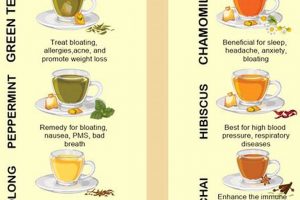
Specific plant-based infusions, excluding those derived from Camellia sinensis (true teas), are formulated to provide a perceived increase in physical and mental vitality. These concoctions often contain a blend of herbs, roots, and spices known for their stimulating and adaptogenic properties. A common example includes a mixture of ginseng, ginger, and licorice root, designed to offer a sustained sense of alertness and focus.
The appeal of these beverages stems from their potential to offer a gentler, more sustained lift compared to caffeine-heavy alternatives. Historically, various cultures have utilized herbal remedies to combat fatigue and enhance performance. Modern formulations are often marketed as natural alternatives to energy drinks, appealing to individuals seeking to improve their well-being without the potential downsides associated with synthetic stimulants. The perceived benefits range from improved concentration and physical endurance to enhanced mood and stress resilience.
The subsequent sections will delve into the specific ingredients commonly found in these invigorating infusions, examining their purported mechanisms of action and potential benefits, as well as outlining considerations for safe and effective consumption. Furthermore, an analysis of consumer perceptions and the current market landscape will be presented.
Energy Boosting Herbal Tea
To derive the most significant benefits from plant-based, energy-enhancing infusions, adherence to specific guidelines is recommended. This section outlines practical strategies for incorporating such beverages into a daily routine to optimize their intended effects.
Tip 1: Prioritize Ingredient Sourcing and Quality. The efficacy of these beverages is directly correlated with the quality of the ingredients. Opt for reputable brands that provide transparent sourcing information and adhere to rigorous quality control standards, ensuring the absence of contaminants and adulterants.
Tip 2: Consider the Timing of Consumption. To leverage the energizing effects effectively, consume such infusions strategically. Morning or early afternoon consumption is generally preferable, avoiding intake close to bedtime to minimize potential sleep disturbances.
Tip 3: Hydration Management is Crucial. While these beverages can contribute to overall fluid intake, they should not be considered a substitute for plain water. Maintain adequate hydration throughout the day to facilitate optimal bodily functions and enhance the efficacy of the herbal components.
Tip 4: Rotation of Herbal Formulations. To prevent the development of tolerance or potential imbalances, it is advisable to rotate different herbal blends periodically. This strategy helps to ensure continued effectiveness and minimize the risk of adverse effects associated with prolonged, consistent use of a single formulation.
Tip 5: Individual Tolerance Assessment. Start with small quantities and gradually increase the dosage as tolerated. Monitor individual responses carefully, paying attention to any potential side effects, such as digestive discomfort or changes in sleep patterns. Discontinue use if adverse reactions occur.
Tip 6: Complementary Lifestyle Integration. These beverages are most effective when integrated with a holistic lifestyle that includes regular physical activity, a balanced diet, and adequate sleep. These synergistic factors contribute to overall well-being and amplify the effects of the herbal components.
Tip 7: Understand Potential Interactions. Consult with a healthcare professional, especially if currently taking medications, to assess potential interactions between the herbal ingredients and pharmaceutical agents. This step is crucial to ensure safety and prevent adverse health outcomes.
Incorporating these strategies can optimize the potential benefits of using herbal infusions for energy enhancement. By focusing on quality, timing, moderation, and individual response, a sustainable and beneficial approach to wellness can be achieved.
The subsequent conclusion will summarize the key findings and offer final recommendations for those seeking a natural approach to enhanced energy levels.
1. Ingredients

The composition of any plant-based invigorating infusion fundamentally dictates its potential effects on energy levels. The inclusion of specific herbs, roots, and spices determines the biochemical pathways that are modulated within the body. Certain components exert stimulant actions via mechanisms affecting the central nervous system, while others function as adaptogens, influencing hormonal regulation and stress response. For example, guarana contains caffeine, directly stimulating the nervous system and increasing alertness. Conversely, Rhodiola rosea acts as an adaptogen, potentially enhancing resilience to stress and improving cognitive function.
The relative proportions and combinations of these ingredients are also critical. A blend containing ginseng, known for its potential to enhance physical endurance, alongside ginger, which possesses thermogenic properties, may offer a more comprehensive and sustained energy lift compared to a single-herb formulation. Furthermore, the quality and preparation methods employed for extracting active compounds from these ingredients significantly impact their bioavailability and, consequently, the overall efficacy of the beverage. The presence of inactive or adulterated ingredients compromises the intended benefits and can even pose health risks. Proper sourcing and extraction techniques are essential for maximizing the desired effects.
In summary, the selection and combination of ingredients in these infusions are not arbitrary; they represent deliberate choices based on the intended physiological effects. Understanding the specific properties of each component, its potential interactions with other ingredients, and the overall formulations impact on human physiology is crucial for discerning the efficacy and safety of any given “invigorating infusion.” Scrutinizing ingredient lists and prioritizing products from reputable sources remains paramount for those seeking a reliable and beneficial boost to their energy levels.
2. Preparation

The method of preparing a plant-based, energy-enhancing infusion directly influences its potency and, consequently, its perceived invigorating effects. The extraction of bioactive compounds from the constituent herbs, roots, and spices is contingent upon precise adherence to established protocols. Deviation from optimal preparation techniques can result in a diminished concentration of active ingredients, thus negating the intended benefits.
- Water Temperature
Water temperature is a critical determinant of extraction efficiency. Insufficiently hot water may fail to solubilize the desired compounds, while excessively high temperatures can degrade heat-sensitive constituents, rendering them ineffective. The ideal temperature range varies depending on the specific herbs involved; for instance, delicate floral infusions such as chamomile benefit from lower temperatures (around 170F), whereas more robust roots like ginger can withstand hotter water (up to 212F). Utilizing a thermometer to ensure precise temperature control is recommended.
- Steeping Time
Steeping time dictates the duration of contact between the hot water and the herbal materials, directly affecting the concentration of extracted compounds. Too short a steeping time results in incomplete extraction, leaving potentially beneficial substances unreleased. Conversely, prolonged steeping can lead to the release of undesirable compounds, such as tannins, which can impart a bitter taste and potentially interfere with the absorption of other active ingredients. General guidelines suggest steeping times ranging from 3 to 7 minutes, depending on the specific blend and desired strength.
- Herb-to-Water Ratio
The ratio of herbal material to water influences the concentration of the final infusion. An insufficient quantity of herbs relative to the water volume yields a weak, diluted brew with a correspondingly diminished effect. Conversely, an excessive amount of herbs can result in an overly concentrated and potentially bitter or astringent infusion. Following recommended ratios, typically expressed in grams of herb per fluid ounce of water, is crucial for achieving optimal results.
- Filtration Method
The method of filtration used to separate the infused liquid from the spent herbal materials affects the clarity and palatability of the final beverage. Fine-mesh strainers or tea infusers effectively remove particulate matter, preventing a gritty or muddy texture. Inadequate filtration can also introduce undesirable compounds from the residual plant matter, potentially detracting from the overall experience.
In summary, meticulous attention to preparation protocols, encompassing water temperature, steeping time, herb-to-water ratio, and filtration method, is essential for maximizing the potential invigorating effects of plant-based infusions. Adherence to these guidelines ensures optimal extraction of bioactive compounds, resulting in a beverage that effectively delivers the desired benefits.
3. Timing

The temporal aspect of consuming plant-derived, energy-modulating infusions is a critical determinant of their efficacy. The body’s circadian rhythms, governing hormone secretion and metabolic processes, influence the absorption, distribution, and impact of the bioactive compounds present in these beverages. Consuming such an infusion at a time that aligns with the bodys natural energy cycles can optimize its intended effects, while inappropriate timing may result in diminished benefits or even adverse outcomes.
For instance, an infusion containing stimulating herbs like guarana or green tea, known for their caffeine content, is generally more effective when consumed in the morning or early afternoon. This coincides with the body’s natural rise in cortisol levels, contributing to a synergistic effect and promoting alertness and focus. Conversely, consuming such a beverage late in the evening can disrupt sleep patterns, negating any potential daytime energy benefits and leading to fatigue. Adaptogenic herbs, such as Rhodiola rosea or ashwagandha, may be more beneficial when consumed earlier in the day to support stress resilience throughout the day. However, some individuals may find that adaptogens consumed in the evening support relaxation. Therefore, personalized experimentation and observation are crucial.
In conclusion, the strategic timing of “energy boosting herbal tea” consumption is paramount for maximizing its effectiveness and minimizing potential adverse effects. Aligning intake with the bodys natural rhythms and considering the specific properties of the constituent herbs can optimize the desired outcome, whether it is enhanced alertness, improved focus, or increased stress resilience. Understanding the interplay between timing and the physiological effects of these infusions is essential for responsible and beneficial utilization. The practical significance lies in promoting informed consumer choices and personalized consumption patterns that contribute to overall well-being.
4. Benefits

The core value proposition of any “energy boosting herbal tea” resides within its perceived and demonstrable benefits. These purported advantages drive consumer demand and shape product formulations. The connection between a beverage’s composition and its physiological effects is a primary area of interest. An infusion marketed as energy-enhancing must deliver a tangible increase in alertness, focus, or physical stamina to justify its classification.
The cause-and-effect relationship between ingredient consumption and perceived benefits is mediated by complex biochemical pathways. For instance, the presence of naturally occurring caffeine in herbs like yerba mate stimulates the central nervous system, increasing alertness and reducing fatigue. Adaptogenic herbs, such as ginseng, modulate the stress response, potentially improving resilience and cognitive function. The specific combination and concentration of these ingredients dictate the magnitude and duration of the observed effects. A real-life example involves athletes consuming infusions containing ginger and ginseng before exercise to improve performance and reduce muscle soreness. Furthermore, students often utilize infusions with guarana to enhance concentration during periods of intense study. These use cases highlight the practical application of understanding the connection between a specific herbal formulation and its potential benefits.
Understanding the benefits of “energy boosting herbal tea” is not only essential for consumers but also for manufacturers seeking to formulate effective and safe products. Claims regarding efficacy must be supported by scientific evidence and align with regulatory standards. Challenges remain in standardizing herbal preparations and accurately measuring their physiological effects. Nevertheless, recognizing the critical role of benefits in driving consumer choice and shaping market trends underscores the importance of rigorous research and transparent communication regarding the efficacy of these beverages. This ensures informed decisions and maximizes the potential for positive health outcomes, linking back to the broader theme of responsible self-care and well-being.
5. Safety

The safety profile of plant-derived energy infusions is paramount, directly influencing consumer well-being and product viability. The cause-and-effect relationship between ingredient composition and potential adverse reactions dictates the parameters for responsible consumption. The inherent complexity of herbal formulations, containing multiple bioactive compounds, necessitates a comprehensive understanding of potential interactions, contraindications, and appropriate dosage guidelines. For instance, an individual with hypertension should exercise caution when consuming infusions containing licorice root, as it can elevate blood pressure. Similarly, pregnant or breastfeeding individuals should consult with a healthcare professional before using any energy-enhancing herbal blend due to potential risks to fetal development or infant health. The importance of safety as an integral component is underscored by the potential for serious adverse events, ranging from allergic reactions to organ toxicity, if appropriate precautions are not observed. This awareness is not simply an abstract concept; it is a vital consideration that directly impacts health outcomes.
The practical significance of understanding safety considerations extends to product labeling and regulatory compliance. Manufacturers bear the responsibility of providing clear and accurate information regarding potential risks, contraindications, and recommended usage guidelines. This includes disclosing potential interactions with common medications, such as anticoagulants or antidepressants, as well as specifying appropriate dosage limits to minimize the risk of adverse effects. Real-life examples highlight the consequences of neglecting safety considerations. Cases of liver damage associated with excessive consumption of certain herbal ingredients underscore the need for responsible manufacturing practices and consumer awareness. Furthermore, instances of allergic reactions to undeclared allergens in herbal blends emphasize the importance of transparent labeling and quality control measures.
In conclusion, ensuring the safety of plant-derived energy infusions requires a multifaceted approach encompassing careful ingredient selection, comprehensive risk assessment, transparent labeling, and responsible consumption practices. Challenges remain in standardizing herbal formulations and accurately predicting individual responses. Nevertheless, prioritizing safety is paramount for protecting consumer health and maintaining the integrity of the herbal product industry. This focus aligns with the broader theme of promoting informed decision-making and fostering a culture of responsible self-care. The absence of robust safety measures undermines the value of any purported energy-enhancing benefits, rendering the product potentially harmful rather than helpful.
Frequently Asked Questions
The following questions address common inquiries and misconceptions surrounding the use of herbal infusions designed to enhance energy levels. The information provided is intended for educational purposes and does not constitute medical advice. Consult with a qualified healthcare professional for personalized guidance.
Question 1: Is “energy boosting herbal tea” a suitable substitute for conventional caffeinated beverages like coffee?
While certain herbal infusions contain naturally occurring caffeine, their concentration is generally lower than that found in coffee. Furthermore, the overall effect of herbal blends is often more nuanced, incorporating adaptogenic and other bioactive compounds that may modulate the stress response and promote sustained energy levels rather than providing a rapid, intense jolt.
Question 2: Are there potential side effects associated with the consumption of “energy boosting herbal tea?”
Yes, certain individuals may experience adverse reactions, such as digestive discomfort, allergic reactions, or interactions with medications. The specific side effects vary depending on the ingredients and individual sensitivities. Careful consideration of the ingredient list and consultation with a healthcare professional are advised.
Question 3: How does “energy boosting herbal tea” differ from other types of herbal teas?
The distinction lies in the intended purpose and ingredient composition. These infusions are specifically formulated with herbs, roots, and spices known for their stimulating or adaptogenic properties. Other herbal teas may be designed for relaxation, digestive support, or other therapeutic benefits, employing different botanical combinations.
Question 4: Can “energy boosting herbal tea” be consumed daily?
Daily consumption may be appropriate for some individuals, but moderation is generally recommended. Excessive intake of stimulating herbs can lead to tolerance or adverse effects. Periodic breaks or rotation of different herbal blends may help to maintain efficacy and minimize potential risks.
Question 5: Are all “energy boosting herbal tea” products created equal?
No. The quality, sourcing, and preparation methods of herbal ingredients significantly impact the efficacy and safety of these products. Opt for reputable brands that provide transparent sourcing information and adhere to rigorous quality control standards.
Question 6: How should “energy boosting herbal tea” be prepared for optimal results?
Adherence to specific preparation guidelines is crucial. This includes using appropriate water temperature, steeping time, and herb-to-water ratios. Refer to the product instructions or consult reliable resources for recommended preparation methods.
In summary, responsible and informed consumption of energy-enhancing herbal infusions requires careful consideration of potential benefits, risks, and individual needs. While these beverages may offer a natural alternative to conventional stimulants, they are not without limitations and should be used judiciously.
The next section will delve into the legal and regulatory considerations surrounding the marketing and sale of these products.
Conclusion
The foregoing analysis has elucidated various facets of energy boosting herbal tea, ranging from its constituent ingredients and preparation methods to its purported benefits and associated safety considerations. The consistent thread throughout this exploration has been the need for discerning evaluation and informed consumption. While these plant-based infusions offer a seemingly natural alternative to conventional stimulants, their efficacy and safety are contingent upon numerous factors, including ingredient quality, preparation techniques, and individual physiological responses.
Ultimately, the decision to incorporate energy boosting herbal tea into a daily regimen should be predicated on a thorough understanding of its potential benefits and risks, coupled with a commitment to responsible consumption practices. A critical and informed approach remains paramount in navigating the complexities of herbal remedies and maximizing the potential for positive health outcomes.