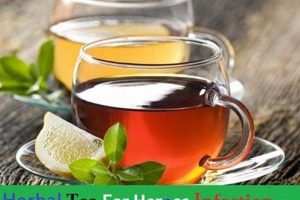
The consumption of plant-derived infusions prepared as beverages is considered a complementary approach by some individuals seeking assistance with erectile dysfunction. These preparations utilize various herbs, each possessing unique purported properties. One example includes ginseng tea, believed to enhance blood flow and energy levels, thus potentially improving sexual function.
Historically, many cultures have relied on botanical remedies for a range of health concerns, including sexual health. Proponents suggest that certain herbal constituents offer a more natural path to managing ED symptoms compared to conventional pharmaceutical interventions, citing fewer potential side effects and a holistic approach to wellness. This approach emphasizes the interconnectedness of physical and mental well-being in addressing sexual health. However, it’s crucial to recognize that scientific evidence supporting the efficacy of many of these herbal remedies remains limited and often requires further rigorous investigation.
The subsequent discussion will delve into specific herbal teas frequently cited for their potential impact on erectile dysfunction, examining available (though often limited) research, potential risks, and important considerations for individuals contemplating their use. This exploration aims to provide a balanced perspective, emphasizing the need for informed decision-making and consultation with healthcare professionals.
Considerations for Herbal Infusions and Erectile Dysfunction
The following points should be taken into account when exploring the potential of herbal infusions to manage erectile dysfunction. Due to limited scientific evidence and potential interactions with medications, a cautious and informed approach is crucial.
Tip 1: Consult a Healthcare Professional. Prior to incorporating any herbal infusion into a regimen for erectile dysfunction, seek guidance from a physician or qualified healthcare provider. This consultation is essential to assess underlying medical conditions, potential drug interactions, and suitability of herbal remedies.
Tip 2: Research Specific Herbs. Thoroughly investigate the properties, potential benefits, and known side effects of any herb under consideration. Reputable sources, such as peer-reviewed journals and authoritative websites, should be consulted to ensure accurate information.
Tip 3: Source Products Responsibly. Select herbal tea products from reputable manufacturers that adhere to quality control standards. Look for certifications or third-party testing to verify the purity and potency of the product.
Tip 4: Start with a Low Dosage. When initiating the use of an herbal infusion, begin with a low dosage as directed by a healthcare professional or product label. Monitor for any adverse reactions or unexpected effects before increasing the dosage.
Tip 5: Be Aware of Potential Interactions. Many herbs can interact with prescription medications, over-the-counter drugs, and other supplements. Disclose all current medications and supplements to a healthcare provider to avoid potentially harmful interactions.
Tip 6: Monitor for Side Effects. Pay close attention to any changes in health or well-being after beginning the use of herbal infusions. Common side effects may include digestive issues, allergic reactions, or changes in blood pressure. Discontinue use and seek medical attention if any concerning symptoms arise.
Tip 7: Manage Expectations. Understand that herbal infusions may not provide a guaranteed solution for erectile dysfunction. While some individuals may experience benefits, results can vary. The focus should be on a holistic approach to sexual health, including lifestyle modifications and medical interventions if necessary.
These considerations emphasize the importance of a responsible and informed approach to using herbal infusions for erectile dysfunction. A proactive stance in safeguarding individual health is paramount. The subsequent sections will provide further details on commonly discussed herbal teas.
1. Vascular function

Vascular function is paramount for achieving and maintaining an erection. Adequate blood flow to the corpora cavernosa within the penis is a physiological prerequisite. Impairments in vascular function can manifest as erectile dysfunction. Therefore, interventions aimed at improving vascular health are relevant to addressing ED.
- Endothelial Function
The endothelium, the inner lining of blood vessels, plays a critical role in regulating blood flow. Endothelial dysfunction, characterized by impaired nitric oxide production and increased vasoconstriction, can impede blood flow to the penis. Certain herbal teas may contain compounds that promote endothelial function, potentially improving vasodilation and blood flow. Examples include teas containing L-arginine, which serves as a precursor to nitric oxide.
- Blood Vessel Relaxation
For an erection to occur, the smooth muscles in the blood vessels of the penis must relax, allowing increased blood flow. Some herbal teas contain compounds with vasodilatory properties, promoting relaxation of these smooth muscles. For instance, teas with hibiscus may help to lower blood pressure, thereby enhancing blood vessel relaxation and improving blood flow.
- Atherosclerosis and Plaque Formation
Atherosclerosis, the buildup of plaque within the arteries, can restrict blood flow throughout the body, including to the penis. Chronic inflammation and oxidative stress contribute to atherosclerosis. Herbal teas with antioxidant and anti-inflammatory properties, such as green tea, may help mitigate these processes, supporting overall vascular health and potentially reducing the risk of ED associated with atherosclerosis.
- Microcirculation
Effective microcirculation, the flow of blood through the smallest blood vessels, is essential for delivering oxygen and nutrients to the tissues of the penis. Impaired microcirculation can compromise erectile function. Certain herbal teas may improve microcirculation by enhancing blood fluidity and reducing platelet aggregation. Ginkgo biloba tea, for instance, has been studied for its potential to improve peripheral circulation, though evidence regarding its specific impact on erectile function remains limited.
The potential impact of herbal teas on vascular function and, consequently, erectile function is multifaceted. While some herbal teas may offer benefits by promoting endothelial function, blood vessel relaxation, or mitigating atherosclerosis, it is crucial to approach their use with caution and under the guidance of a healthcare professional. Further research is needed to fully elucidate the efficacy and safety of specific herbal teas for managing ED related to vascular dysfunction. The complex interplay of factors contributing to ED necessitates a holistic approach that may include lifestyle modifications and medical interventions in addition to herbal remedies.
2. Nitric oxide production

Nitric oxide (NO) serves as a crucial signaling molecule in the human body, particularly within the context of erectile function. Its production is essential for vasodilation, the relaxation of blood vessels, which facilitates increased blood flow to the penis, a physiological necessity for achieving and maintaining an erection. Herbal teas, with their diverse array of bioactive compounds, have been investigated for their potential to influence NO production and, consequently, address erectile dysfunction.
- L-Arginine and NO Synthase
L-arginine, an amino acid, is the primary substrate for nitric oxide synthase (NOS), the enzyme responsible for catalyzing the production of NO. Certain herbal teas may contain L-arginine or compounds that stimulate NOS activity. For example, infusions containing beetroot, naturally high in nitrates which the body converts to nitric oxide, can enhance NO synthesis. Adequate L-arginine levels are critical for optimal NO production; therefore, herbal teas influencing its availability or utilization can impact erectile function.
- Endothelial NO Synthase (eNOS) Activation
Endothelial NO synthase (eNOS), located in the endothelial cells lining blood vessels, is the isoform most directly involved in regulating vascular tone and blood flow. Herbal teas with antioxidant properties may protect eNOS from oxidative damage, preserving its function. Additionally, some compounds in herbal teas may directly stimulate eNOS activity, promoting NO production. Examples include teas containing polyphenols, such as those found in green tea and cocoa, which have demonstrated eNOS-activating effects in vitro.
- NO Bioavailability and Degradation
Even with adequate NO production, its bioavailability can be compromised by factors that promote its degradation, such as oxidative stress. Superoxide radicals can react with NO, forming peroxynitrite, a damaging compound that reduces NO levels. Herbal teas rich in antioxidants can scavenge free radicals, preventing NO degradation and enhancing its bioavailability. Teas containing vitamin C, vitamin E, or other antioxidant compounds can contribute to maintaining optimal NO levels.
- Indirect Effects via Cardiovascular Health
The production and utilization of NO are intricately linked to overall cardiovascular health. Herbal teas that promote cardiovascular health, such as those with blood pressure-lowering or cholesterol-reducing properties, can indirectly support NO production. Reduced blood pressure and improved lipid profiles can enhance endothelial function and increase NO bioavailability. Examples include hibiscus tea, which has been shown to lower blood pressure in some studies, and green tea, which may improve cholesterol levels.
The intricate relationship between NO production and erectile function underscores the potential relevance of herbal teas in addressing ED. By providing L-arginine, activating eNOS, protecting NO from degradation, or indirectly improving cardiovascular health, certain herbal teas may positively influence NO levels and, consequently, enhance erectile function. However, it is imperative to acknowledge that the evidence supporting these claims remains limited, and further research is needed to fully elucidate the efficacy and safety of specific herbal teas for managing ED through modulation of NO pathways.
3. Stress reduction

Stress, a physiological response to perceived threats, has a demonstrable impact on various bodily functions, including sexual function. Elevated stress levels trigger the release of cortisol, a stress hormone, which can disrupt hormonal balance, constrict blood vessels, and impair nerve function, all factors that can contribute to erectile dysfunction. Therefore, interventions aimed at stress reduction may indirectly improve erectile function. Herbal teas, often lauded for their calming properties, represent one such avenue for stress management. The connection between stress reduction and the potential of certain herbal teas for addressing erectile dysfunction stems from the tea’s anxiolytic and adaptogenic effects.
Certain herbal teas contain compounds that interact with neurotransmitter systems involved in mood regulation and stress response. For example, chamomile tea contains apigenin, an antioxidant that binds to receptors in the brain that may promote relaxation and reduce anxiety. Similarly, lavender tea is known for its calming aroma and can decrease heart rate and blood pressure, both physiological markers of stress. Adaptogenic herbs, such as ashwagandha, found in some herbal tea blends, are believed to help the body adapt to stress by modulating the hypothalamic-pituitary-adrenal (HPA) axis, the body’s central stress response system. By mitigating the physiological effects of stress, these herbal teas may improve blood flow, hormonal balance, and nerve function, potentially alleviating erectile dysfunction symptoms. Real-life examples might include individuals who report improved erectile function after incorporating regular consumption of calming herbal teas into their daily routines alongside lifestyle modifications such as exercise and mindfulness practices. The practical significance of this understanding lies in recognizing the potential role of stress management as an adjunct therapy in addressing erectile dysfunction.
The integration of stress-reducing herbal teas into a comprehensive approach to managing erectile dysfunction should be viewed as a complementary strategy, not a standalone solution. The efficacy of these teas can vary depending on individual factors, the severity of the condition, and the specific herbal blend used. Furthermore, it is crucial to consult with a healthcare professional before incorporating herbal teas into a treatment plan, particularly for individuals with pre-existing medical conditions or those taking medications, to avoid potential interactions. While herbal teas can offer a gentle and potentially beneficial means of stress reduction, addressing underlying psychological or medical causes of erectile dysfunction often requires a multifaceted approach involving lifestyle modifications, psychological counseling, and, in some cases, medical interventions.
4. Hormonal balance

Hormonal balance, characterized by the appropriate levels and ratios of hormones, is a critical determinant of sexual function in males. Disruptions in hormonal equilibrium can lead to erectile dysfunction (ED). The exploration of herbal teas as a potential adjunct to address ED necessitates a careful examination of their influence on hormonal pathways.
- Testosterone Levels and Herbal Interventions
Testosterone, the primary male sex hormone, plays a pivotal role in libido, erectile function, and overall sexual health. Low testosterone levels can significantly contribute to ED. Certain herbal teas are purported to possess testosterone-boosting properties, though the scientific evidence supporting these claims varies. For example, teas containing Tribulus terrestris are marketed as testosterone enhancers; however, studies have yielded inconsistent results. Any potential benefit derived from herbal interventions must be weighed against the existing clinical guidelines for testosterone deficiency, which often involve hormone replacement therapy under medical supervision.
- Prolactin Modulation
Prolactin, a hormone primarily associated with lactation, can inhibit sexual function when present in elevated levels in males. Hyperprolactinemia, a condition characterized by abnormally high prolactin, can lead to ED, decreased libido, and infertility. Some herbal teas are believed to have prolactin-lowering effects. For instance, teas containing Vitex agnus-castus (chasteberry) are traditionally used to regulate hormonal imbalances and may potentially lower prolactin levels. However, this herb can interact with certain medications and should be used with caution.
- Estrogen Balance
While estrogen is primarily recognized as a female hormone, it is also present in males, albeit at lower concentrations. Maintaining a proper estrogen-to-testosterone ratio is crucial for sexual health. Excessive estrogen levels can lead to ED and other sexual dysfunctions. Certain compounds found in herbal teas, such as phytoestrogens, can interact with estrogen receptors, potentially influencing estrogen activity. However, the effects of phytoestrogens are complex and can vary depending on the individual and the specific phytoestrogen involved. The impact on estrogen balance and subsequent effects on ED require careful consideration.
- Stress Hormones and the HPA Axis
The hypothalamic-pituitary-adrenal (HPA) axis regulates the body’s response to stress. Chronic stress can lead to elevated levels of cortisol, a stress hormone, which can suppress testosterone production and contribute to ED. Herbal teas with adaptogenic properties, such as those containing ashwagandha, are believed to help modulate the HPA axis and reduce cortisol levels. By mitigating the negative impact of stress hormones on hormonal balance, these herbal teas may indirectly improve erectile function. However, the effectiveness of adaptogens can vary, and further research is needed to fully understand their mechanisms of action and clinical benefits.
The complex interplay of hormones in male sexual function underscores the potential relevance of herbal teas in addressing ED. However, the evidence supporting the efficacy of specific herbal teas for hormonal modulation remains limited. A comprehensive assessment of hormonal status, along with medical supervision, is essential for individuals considering herbal interventions for ED related to hormonal imbalances. It is crucial to recognize that herbal remedies are not a substitute for conventional medical treatments and should be used with caution.
5. Antioxidant properties
Oxidative stress, an imbalance between free radical production and antioxidant defense, has been implicated in numerous physiological disorders, including erectile dysfunction (ED). Free radicals can damage endothelial cells, impair nitric oxide production, and promote inflammation, all of which contribute to ED. Herbal teas, rich in antioxidant compounds, represent a potential avenue for mitigating oxidative stress and supporting erectile function.
- Scavenging Free Radicals
Antioxidants neutralize free radicals by donating electrons, preventing them from damaging cells and tissues. Herbal teas containing polyphenols, flavonoids, and other antioxidant compounds can directly scavenge free radicals in the body. Green tea, for instance, is abundant in catechins, potent antioxidants that protect endothelial cells from oxidative damage. By reducing free radical levels, antioxidant-rich herbal teas may preserve endothelial function and support nitric oxide production, both crucial for erectile function.
- Enhancing Endogenous Antioxidant Systems
The body possesses its own antioxidant defense systems, including enzymes like superoxide dismutase (SOD) and glutathione peroxidase (GPx). Some herbal compounds can enhance the activity of these endogenous antioxidant enzymes, bolstering the body’s ability to combat oxidative stress. Certain herbal teas may stimulate the production or activity of SOD and GPx, providing an additional layer of protection against free radical damage. By supporting endogenous antioxidant systems, these teas can contribute to overall cellular health and potentially improve erectile function.
- Protecting Nitric Oxide Bioavailability
Nitric oxide (NO), a critical vasodilator essential for erectile function, is susceptible to degradation by free radicals. Superoxide radicals, in particular, can react with NO, reducing its bioavailability and impairing vasodilation. Antioxidants can protect NO from degradation by scavenging superoxide radicals, ensuring that sufficient NO is available to promote blood flow to the penis. Herbal teas containing antioxidants, such as vitamin C and vitamin E, can help preserve NO bioavailability, supporting erectile function.
- Reducing Inflammation
Chronic inflammation is often associated with oxidative stress and contributes to endothelial dysfunction and ED. Antioxidants can reduce inflammation by inhibiting the production of pro-inflammatory cytokines and other inflammatory mediators. Certain herbal teas, such as those containing turmeric (curcumin), possess potent anti-inflammatory properties. By reducing inflammation, these teas can improve endothelial function and support overall vascular health, potentially alleviating ED symptoms.
The antioxidant properties of certain herbal teas offer a potential mechanism for mitigating oxidative stress and supporting erectile function. By scavenging free radicals, enhancing endogenous antioxidant systems, protecting nitric oxide bioavailability, and reducing inflammation, these teas may contribute to improved vascular health and erectile function. However, further research is needed to fully elucidate the efficacy and safety of specific herbal teas for managing ED through antioxidant mechanisms. Clinical trials are essential to determine the optimal dosages and durations of use for achieving meaningful improvements in erectile function. Caution should be observed in using herbal remedies alongside pharmaceutical medications, as interactions may occur.
6. Inflammation reduction

Chronic inflammation plays a significant role in the pathogenesis of erectile dysfunction (ED). Systemic inflammation impairs endothelial function, reduces nitric oxide bioavailability, and disrupts hormonal balance, all of which are critical for achieving and maintaining an erection. Herbal teas with anti-inflammatory properties represent a potential avenue for mitigating these effects and supporting erectile function. Certain herbal constituents possess the ability to modulate inflammatory pathways, offering a complementary approach to managing ED.
The reduction of inflammation is integral to the function of specific herbal teas in addressing ED. For instance, teas containing ginger or turmeric possess well-documented anti-inflammatory properties. These herbs contain bioactive compounds, such as gingerol and curcumin, respectively, that inhibit the production of pro-inflammatory cytokines and enzymes involved in the inflammatory cascade. By reducing inflammation, these herbal teas may improve endothelial function, enhance nitric oxide production, and restore hormonal balance, ultimately promoting improved erectile function. A practical example involves individuals with ED experiencing improvements in erectile rigidity and duration after incorporating regular consumption of anti-inflammatory herbal teas into their daily routines, coupled with dietary and lifestyle modifications to further reduce inflammation. This highlights the potential benefits of integrating such teas as part of a holistic strategy to address ED.
While the anti-inflammatory properties of certain herbal teas offer promise in managing ED, it is imperative to acknowledge the limitations. The efficacy of these teas can vary depending on individual factors, the severity of the underlying inflammation, and the specific herbal blend used. Furthermore, consulting a healthcare professional before incorporating herbal teas into a treatment plan is essential, particularly for individuals with pre-existing medical conditions or those taking medications, to avoid potential interactions. Herbal teas are not a substitute for conventional medical treatments for ED but may serve as a supportive component of a comprehensive management plan. Further research is needed to fully elucidate the mechanisms of action and clinical benefits of specific herbal teas in reducing inflammation and improving erectile function.
Frequently Asked Questions about Herbal Tea and Erectile Dysfunction
The following section addresses common inquiries regarding the use of herbal tea as a potential aid for erectile dysfunction. It is imperative to consult with a healthcare professional for personalized medical advice.
Question 1: Can herbal tea cure erectile dysfunction?
No herbal tea is recognized as a definitive cure for erectile dysfunction. The efficacy of herbal remedies varies and is not consistently supported by robust scientific evidence. Herbal teas may offer supportive benefits for some individuals, but they do not represent a substitute for conventional medical treatments.
Question 2: What are the potential risks associated with using herbal tea for erectile dysfunction?
Herbal teas may cause adverse effects in some individuals. Allergic reactions, drug interactions, and interference with existing medical conditions are potential risks. It is crucial to disclose all herbal supplement use to a healthcare provider to mitigate these risks.
Question 3: How long does it take to see results from using herbal tea for erectile dysfunction?
The timeframe for experiencing any potential benefits from herbal tea use varies significantly among individuals. Some may observe subtle improvements within weeks, while others may not experience any noticeable effects. Consistent use, combined with a healthy lifestyle, may influence outcomes.
Question 4: Are there specific herbal teas that are more effective for erectile dysfunction?
Some herbal teas, such as those containing ginseng, L-arginine, or certain antioxidants, are frequently cited for their potential impact on erectile function. However, the evidence supporting their efficacy is often limited and requires further rigorous investigation. No single herbal tea is universally recognized as the most effective treatment.
Question 5: Can herbal tea be used in conjunction with prescription medications for erectile dysfunction?
The use of herbal teas in combination with prescription medications for erectile dysfunction carries a potential risk of drug interactions. It is essential to consult with a healthcare professional to assess the safety and appropriateness of combining herbal remedies with conventional medical treatments.
Question 6: Where can reliable information about the safety and efficacy of herbal teas for erectile dysfunction be found?
Reputable sources of information include peer-reviewed medical journals, authoritative websites of medical organizations, and consultations with qualified healthcare professionals. Exercise caution when evaluating information from unregulated sources, such as online forums or product advertisements.
In summary, while herbal teas may offer potential supportive benefits for some individuals with erectile dysfunction, they are not a substitute for conventional medical treatments and should be used with caution under the guidance of a healthcare professional. Individual responses to herbal remedies can vary, and further research is needed to fully elucidate their efficacy and safety.
The following section provides a concluding summary of key considerations.
Conclusion
The exploration of herbal tea for ED reveals a complex interplay of potential benefits and limitations. While some herbal infusions possess properties that may positively influence vascular function, nitric oxide production, stress reduction, hormonal balance, antioxidant activity, and inflammation reduction all factors relevant to erectile function scientific evidence supporting their definitive efficacy remains limited. The use of herbal tea should not be considered a replacement for established medical treatments.
Individuals experiencing erectile dysfunction are strongly advised to consult with qualified healthcare professionals for comprehensive evaluation and personalized treatment strategies. A holistic approach encompassing lifestyle modifications, conventional medical interventions, and, if deemed appropriate by a physician, the cautious and informed use of herbal remedies, may offer the most promising path toward improved sexual health. Further rigorous research is necessary to fully elucidate the potential role of specific herbal teas in managing erectile dysfunction.